Heavy rain can turn a small drainage issue into standing water, washed-out mulch, soggy turf, or water collecting near a home surprisingly quickly. In Pensacola, coastal weather, a high groundwater table, limited elevation changes, and periods of intense rainfall make the way water moves across a property especially important.
Proper landscape drainage helps move excess water away from structures, lawns, planting beds, and high-use areas while allowing water to soak into the ground where conditions permit. The right solution depends on the property’s grade, soil, runoff patterns, and where the water ultimately needs to go. Addressing drainage problems early can help reduce erosion, plant stress, persistent wet areas, and water accumulation near foundations.
What local property owners should know
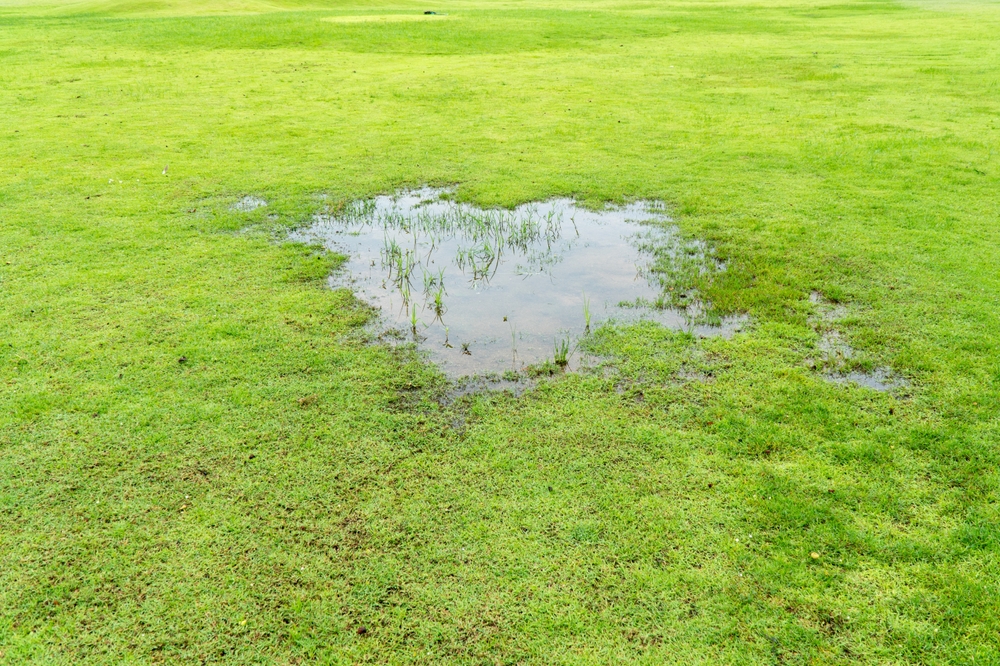
Standing water after storms can indicate that the landscape is not moving or absorbing runoff effectively.
Pensacola’s high groundwater table and minimal gradient can make drainage more challenging than simply directing water downhill.
Runoff in the local watershed eventually reaches waterways such as Bayou Texar, Bayou Chico, Pensacola Bay, or Escambia Bay.
Roof runoff, paved surfaces, compacted soil, and poorly graded yards can concentrate more water in one part of a property.
Drainage improvements should address where water comes from, how it moves, and where it can be discharged or absorbed safely.
Why Proper Drainage Matters in Pensacola
Proper drainage matters in Pensacola because local properties must handle frequent rainfall along with coastal conditions that can make stormwater slower or more difficult to move. A drainage system that manages runoff effectively can protect usable landscaping, reduce erosion, limit prolonged saturation, and keep water from repeatedly collecting beside buildings or outdoor living areas.
The City of Pensacola identifies yearly rainfall, a high groundwater table, tidal influence, and minimal gradient as challenges for local stormwater management. The area’s gently rolling terrain also includes sandy soils, while extensive development has created more roofs, driveways, roads, patios, and other surfaces that do not readily absorb rainfall.
That combination means drainage is not only an issue for visibly low properties. Homes around East Hill, Cordova Park, Scenic Heights, Bayou Texar, and other developed areas may experience very different runoff patterns depending on grading, neighboring elevations, paved surfaces, and landscaping.
At Reflections Landscaping, we look at drainage as part of the overall landscape rather than treating standing water as an isolated problem. Our goal is to understand how water is entering the property, where it collects, and which landscape conditions are contributing to the issue.
Local Drainage Conditions and Public Stormwater Information
Pensacola’s drainage challenges are closely connected to rainfall, groundwater, topography, development, and its surrounding bays and bayous. The City of Pensacola notes that much of the community was developed before modern stormwater controls existed and that local runoff ultimately moves toward waterways including Bayou Texar, Bayou Chico, Pensacola Bay, and Escambia Bay.
The city also describes the Pensacola watershed as having gently rolling terrain with sandy soil over limestone at varying depths. During severe coastal storm events, tidal surge can reduce drainage at some public outfalls by pushing seawater and sediment back toward discharge points.
These larger public drainage conditions do not automatically explain a specific wet spot in a residential yard, but they show why local drainage needs to be evaluated with the surrounding environment in mind.
How Poor Drainage Can Affect Your Property
Poor drainage can affect a Pensacola property by keeping soil saturated, damaging landscaped areas, creating erosion, and allowing water to remain close to structures or frequently used portions of the yard. Repeated problems can also make lawns and planting beds harder to maintain because plant roots need both moisture and access to oxygen.
Water flowing too quickly can carry mulch and exposed soil downhill. Water flowing too slowly can leave low areas soft or muddy long after the rest of the landscape has dried.
Drainage also matters when adding hardscaping or changing a landscape. A new patio, walkway, bed, or other feature can alter how water travels, so runoff should be considered as part of the design.
Warning Signs of a Landscape Drainage Problem
A drainage problem often shows itself through recurring standing water, erosion, soggy soil, or runoff that consistently follows the same unwanted path after rainfall. Local property owners should pay attention to patterns that repeat from one storm to the next rather than judging the landscape only during unusually heavy weather.
Common warning signs include:
Puddles that remain well after rainfall has stopped
Consistently muddy or soft sections of lawn
Water collecting next to the house or other structures
Mulch repeatedly washing out of planting beds
Channels or exposed soil caused by runoff
Turf thinning in chronically wet areas
Water regularly flowing across patios or walkways
Downspouts discharging into areas that already drain poorly
When to Call a Professional
Professional drainage help is appropriate when water repeatedly collects near structures, erosion continues after basic maintenance, or the source and destination of runoff are not clear. Minor maintenance such as clearing visible debris may be manageable for homeowners, but changing grades or installing drainage components requires a broader understanding of how the property handles water.
A professional evaluation becomes especially useful when several sources of runoff meet in the same area. Roof water, neighboring grades, driveways, patios, and natural slopes can all contribute.
In Pensacola, drainage planning should also account for local topography and the possibility that a property does not have a significant natural slope available for moving water.
Common Causes of Drainage Problems in Pensacola
The most common local drainage problems usually result from grading, concentrated runoff, low areas, compacted soil, or changes to the landscape that alter the natural path of water. Pensacola’s rainfall and relatively flat coastal setting can make those weaknesses much more noticeable during periods of frequent or intense storms.
Improper grading: Water naturally follows elevation, so areas sloping toward a home or depression can collect runoff.
Roof runoff: Downspouts can place a large amount of water into one small landscape area.
Low spots: Depressions in lawns and planting beds may hold water after surrounding areas drain.
Impervious surfaces: Driveways, patios, walkways, and roofs prevent rainfall from soaking directly into the soil.
Landscape changes: New beds, edging, hardscape, or soil additions can unintentionally block an existing drainage path.
Obstructions: Leaves, sediment, roots, or landscape debris can interfere with drains and established flow paths.
Preventing Drainage Problems
Drainage problems are easier to manage when property owners regularly watch how water behaves and address small changes before they become persistent trouble spots. In Northwest Florida, the best time to check drainage is during or immediately after rainfall, when runoff paths, low areas, and overloaded sections of the landscape are easy to see.
Keep visible drain openings clear of leaves and debris. Check that downspouts are not dumping directly into known low spots. Watch for mulch, soil, or sediment moving after storms.
Property owners should avoid making major grade changes simply to move water somewhere else. Redirecting runoff without evaluating its destination can trade one drainage problem for another or affect an adjacent property.
What to Expect From Drainage Improvements
Effective drainage improvements should reduce unwanted standing water, control runoff more predictably, and help the landscape recover more consistently after rainfall. Results depend on the cause of the problem, the site’s elevation, available discharge or infiltration areas, soil conditions, and the amount of water entering the affected area.
Some properties may benefit from grading adjustments. Others may require drains, piping, swales, downspout management, or a combination of approaches.
No drainage system can eliminate every effect of extreme weather. The practical goal is to manage normal and heavy rainfall more effectively while reducing recurring trouble spots.
Common Drainage Mistakes
The biggest drainage mistakes involve treating the visible puddle without identifying why the water is there or where it should go instead. On Pensacola properties, a better approach is to evaluate the entire runoff path before changing grades, installing drains, or adding landscape materials.
Mistake: Filling a low spot without identifying the source of the water. Consequence: Water may collect somewhere else. Better approach: Trace the runoff before changing elevations.
Mistake: Sending a downspout toward an already wet area. Consequence: The landscape receives even more concentrated water. Better approach: Evaluate a suitable route or drainage solution for roof runoff.
Mistake: Blocking a natural flow path with edging or a new planting bed. Consequence: Water may back up behind the obstruction. Better approach: Include drainage planning whenever modifying the landscape.
A Common Local Drainage Scenario
A common Pensacola drainage scenario involves a low section of lawn that stays wet after surrounding areas begin drying. Water may be arriving from a roof downspout, a driveway, a neighboring high point, or several sources at once, while the property’s limited slope prevents it from leaving efficiently.
Simply covering the area with new sod or additional soil may not solve the cause.
A better process is to observe the property during rainfall, identify each runoff source, determine how the grade affects water movement, and choose a solution that manages the full drainage path.
Related Landscape Drainage Solutions
Drainage solutions work best when they are selected for the property’s actual runoff pattern rather than chosen solely because a particular product is popular. Depending on the site, options may include grading adjustments, swales, catch basins, underground drainage, downspout drainage, or landscape modifications that improve the way water moves.
We can evaluate the surrounding landscape and help determine which approach makes sense for the property.
DIY drainage works best for simple maintenance, while professional service is better suited to recurring problems involving grading, multiple runoff sources, underground drainage, or water near structures. The key distinction is whether the problem involves routine upkeep or requires changing how water moves across the property.
Homeowners can safely clear debris, monitor puddles, photograph runoff during storms, and check where downspouts discharge.
Professional help is worth considering when a solution involves excavation, changing elevations, installing drainage components, or determining where collected water should safely travel.
Drainage Service Areas
Landscape drainage concerns occur throughout Pensacola and nearby Escambia County communities because individual properties vary widely in elevation, development, and runoff patterns. Conditions near Bayou Texar or established neighborhoods such as East Hill can also differ from properties farther north toward Scenic Heights and surrounding residential areas.
We evaluate each site based on its actual landscape rather than assuming one drainage method fits every property.
The Cost of Ignoring Drainage Problems
Ignoring recurring drainage can allow erosion, saturated soil, damaged planting areas, and inconvenient standing water to continue or become more difficult to correct. The longer runoff follows an unwanted path, the more opportunity it has to move soil, displace mulch, weaken turf, and affect the usability of the landscape.
Water problems near structures deserve particular attention. Even when no immediate damage is visible, repeatedly allowing water to collect where it should not is a reason to investigate the cause.
Frequently Asked Questions About Drainage in Pensacola
Proper drainage questions in Pensacola usually center on standing water, soil conditions, heavy rainfall, grading, and determining whether a drainage issue needs professional attention. The following answers address several of the most common concerns for local homeowners and property owners.
Why does water stand in my Pensacola yard after rain?
Standing water usually means runoff is entering an area faster than it can drain away or soak into the ground. A low spot, limited slope, concentrated roof runoff, grading, or an obstruction may be involved. Because Pensacola also has a high groundwater table, the full site should be considered before choosing a solution.
Is sandy soil always good for drainage in Pensacola?
No. Sandy soil can allow water to infiltrate efficiently under suitable conditions, but soil type alone does not guarantee good drainage. Compaction, high groundwater, low elevations, landscape grading, and the volume of runoff entering an area can still create standing water or saturated conditions on local properties.
Can heavy rain overwhelm landscape drainage?
Yes. Even a well-planned drainage system has practical limits during unusually intense rainfall or major tropical weather. Drainage improvements are intended to manage runoff more effectively and reduce recurring problems, not promise that a yard will remain completely dry during every severe Gulf Coast storm.
Why does water keep washing mulch out of my landscape beds?
Water washing mulch from beds usually indicates concentrated runoff moving through the landscape with enough force to carry material with it. The source may be a downspout, sloped pavement, an uphill portion of the yard, or grading that channels water through the bed. Redirecting or slowing the runoff can address the cause.
Does drainage near Bayou Texar require special consideration?
Properties near Bayou Texar should be evaluated according to their specific elevation, runoff pattern, and surrounding drainage conditions. The City of Pensacola has documented significant stormwater infrastructure connected to the bayou, and local tidal conditions can affect broader stormwater behavior. A property’s individual landscape still requires site-specific evaluation.
How do I know whether my Pensacola drainage problem needs professional help?
Professional help is worth considering when standing water repeatedly returns, runoff is causing erosion, water collects near structures, or several water sources converge in one location. It is also appropriate when correcting the problem may require excavation, grade changes, underground drainage, or determining a safe destination for redirected water.
Protect Your Pensacola Landscape From Recurring Drainage Problems
Proper drainage helps create a landscape that handles Northwest Florida rainfall more effectively while protecting lawns, planting beds, outdoor spaces, and the areas surrounding structures. Understanding where water comes from and where it needs to go is the foundation of a lasting solution.
Improve the Way Water Moves Across Your Property
We can help evaluate recurring drainage concerns and identify practical options based on the conditions of your landscape.
Pensacola’s 32503 area is no stranger to heavy rain, high humidity, and fast-moving summer storms. While these conditions help create lush landscapes, they can also expose drainage problems that lead to standing water, soil erosion, damaged plants, and foundation concerns. Understanding what causes these issues is the first step toward protecting your property.
Quick Answer
Common drainage issues in Pensacola’s 32503 area include standing water after storms, soil erosion, poor yard grading, clogged drainage systems, compacted soil, and runoff from neighboring properties. Local weather patterns, flat terrain in some neighborhoods, and frequent Gulf Coast rainfall all contribute to these challenges. Identifying the source of poor drainage early can help prevent more expensive landscape and property damage over time.
What Local Readers Should Know
Heavy summer thunderstorms can overwhelm yards that lack proper grading or drainage systems.
Clay pockets and compacted soils found in parts of Escambia County may slow water absorption.
Properties near Bayou Texar and lower elevation areas often experience increased drainage concerns during periods of heavy rainfall.
Standing water can damage turfgrass, ornamental plants, and landscape beds if it remains for more than a day or two.
Proper drainage planning is often more effective and less expensive than repeatedly repairing landscape damage.
Why This Matters Locally
Drainage problems affect more than appearance. In Pensacola, frequent rain combined with coastal humidity can quickly turn small drainage issues into ongoing property concerns. Water that does not move away from a home may contribute to foundation settling, mosquito breeding, root damage, and erosion around landscape features.
Older neighborhoods throughout the 32503 ZIP code often have mature landscaping that has changed how water naturally flows across the property over the years. New patios, driveways, fences, or garden beds may also redirect runoff in unexpected ways.
Reflections Landscaping understands that every property responds differently to rainfall. We evaluate how water moves through each landscape so recommendations fit the property’s unique conditions rather than applying a one-size-fits-all solution.
Local Field Observations
Professional landscape contractors working throughout Pensacola commonly observe drainage issues becoming most noticeable during the summer rainy season and after tropical weather systems move through the Gulf Coast. Properties with limited slope, aging drainage infrastructure, or significant landscape changes often require improvements to restore proper water movement.
The National Weather Service frequently issues heavy rainfall advisories for Northwest Florida during active storm periods, reminding homeowners how quickly localized flooding and saturated soils can develop.
Local Impact
Poor drainage affects both residential and commercial properties throughout the area.
Homeowners may experience:
Dead or thinning grass
Water pooling near foundations
Mulch washing into sidewalks
Plant decline from oversaturated roots
Increased mosquito activity
Commercial properties may deal with:
Muddy entrances
Landscape erosion
Water collecting in parking lot islands
Damaged irrigation zones
Reduced curb appeal for customers
Because many properties receive intense rainfall within short periods, even small drainage deficiencies can become noticeable after major storms.
Warning Signs
Common signs of drainage problems include:
Standing water that remains more than 24 to 48 hours after rainfall
Soil washing away from planting beds
Exposed tree or shrub roots
Water stains or moisture near the home’s foundation
Lawn areas that remain consistently soggy
Mulch repeatedly washing onto sidewalks or driveways
Bare patches where grass struggles to grow
Moss or algae developing in persistently wet areas
When to Call a Professional
Minor puddles after exceptionally heavy storms may not indicate a serious problem. However, recurring drainage issues deserve professional evaluation.
Consider scheduling an inspection if you notice:
Water entering crawl spaces or basements
Persistent standing water after average rainfall
Significant erosion after each storm
Foundation settlement concerns
Landscape features shifting because of soil movement
Drainage systems that no longer carry water effectively
A professional assessment can determine whether grading adjustments, drainage improvements, or landscape modifications offer the best long-term solution.
Common Local Causes
1. Heavy Gulf Coast Rainfall
Frequent downpours can exceed what some landscapes are designed to handle, especially during hurricane season.
2. Improper Yard Grading
If the yard slopes toward the home instead of away from it, runoff naturally collects near the structure.
3. Compacted Soil
Years of foot traffic, equipment use, or construction can reduce the soil’s ability to absorb water.
4. Clogged Drainage Systems
French drains, catch basins, and drainage pipes can become blocked with leaves, roots, or sediment.
5. Landscape Changes
New patios, retaining walls, garden beds, or fencing can unintentionally redirect water into problem areas.
6. Neighboring Runoff
Properties located downhill may receive additional runoff from surrounding lots, especially after significant rainfall.
Prevention and Maintenance
Preventing drainage problems often involves routine maintenance and seasonal inspections.
Helpful practices include:
Clean drainage inlets before the rainy season.
Remove leaves and debris from swales and drainage channels.
Avoid adding excessive mulch that blocks water flow.
Monitor low areas after storms.
Keep gutters and downspouts directing water away from the foundation.
Address small erosion problems before they expand.
While homeowners can perform basic inspections, grading changes and underground drainage installations should generally be handled by experienced professionals.
Expected Results
Proper drainage improvements can help:
Reduce standing water
Protect landscape investments
Improve lawn health
Minimize erosion
Improve usability of outdoor spaces
Better manage runoff during heavy storms
The exact results depend on property layout, rainfall intensity, soil conditions, and the selected drainage solution.
Common Mistakes
Mistake: Adding more soil to low spots without identifying the source of the water.
Consequence: Water often returns because the underlying drainage issue remains.
Better Approach: Determine why water collects before making grading or landscape changes.
Mistake: Installing landscaping that blocks natural drainage paths.
Consequence: Water becomes trapped around planting beds or patios.
Better Approach: Design landscapes that complement existing drainage patterns.
Mistake: Ignoring minor erosion.
Consequence: Small washouts can become larger repair projects after repeated storms.
Better Approach: Address erosion early before significant soil loss occurs.
Common Local Scenario
A homeowner in the 32503 area notices standing water in the backyard after nearly every summer storm. Over time, sections of the lawn begin thinning, mulch washes away, and flower beds develop exposed roots. A drainage evaluation reveals that compacted soil and subtle grading issues are preventing runoff from reaching the property’s drainage path. After appropriate drainage improvements, water moves away more efficiently and the landscape becomes easier to maintain.
Related Service Solutions
Depending on the property’s needs, drainage improvements may include:
Yard grading
French drain installation
Catch basin installation
Dry creek beds
Downspout drainage extensions
Swales
Landscape redesign for improved water movement
Erosion control measures
Selecting the right solution depends on how water enters, moves through, and exits the property.
Does not solve grading or underground drainage issues
Drainage repair
Existing systems with localized problems
May restore performance if the system remains structurally sound
New drainage installation
Persistent or widespread drainage problems
Often provides a more comprehensive long-term solution
Landscape redesign
Multiple drainage and erosion concerns
Can improve both function and appearance simultaneously
Service Areas
We proudly serve property owners throughout Pensacola, including the 32503 area, while also working in nearby communities such as Brent, Ferry Pass, Bellview, and other parts of Escambia County. Every landscape receives recommendations based on its individual drainage conditions.
Cost of Ignoring the Issue
Waiting to address drainage problems can allow erosion, landscape damage, and water-related property issues to become more extensive over time. Early intervention is often less disruptive than repairing significant damage after multiple rainy seasons.
What causes drainage problems in Pensacola’s 32503 area?
Heavy rainfall, improper grading, compacted soil, clogged drainage systems, and changing landscape features are among the most common causes. Coastal weather patterns often make these issues more noticeable.
Is standing water after rain normal in Pensacola?
Some temporary puddling after exceptionally heavy rain can be expected. Water that remains for more than 24 to 48 hours may indicate an underlying drainage problem.
Can poor drainage damage my landscape?
Yes. Excess water can weaken turf, damage ornamental plants, wash away mulch, erode soil, and stress tree roots if the problem continues.
Does Escambia County’s weather contribute to drainage issues?
Yes. Frequent thunderstorms, tropical systems, and extended rainy periods increase the amount of water landscapes must manage throughout the year.
Should I fix drainage before installing new landscaping in Pensacola?
Yes. Correcting drainage issues first helps protect new plants, hardscapes, and landscape investments from future water damage.
How do I know if my yard needs grading?
If water consistently flows toward your home, pools in the same locations, or causes erosion after rainfall, a grading evaluation may be beneficial.
Can drainage improvements help reduce erosion?
Yes. Proper drainage systems direct water more effectively, helping minimize soil loss and protect planting beds.
When is the best time to improve drainage in the Pensacola area?
Drainage projects can be completed throughout much of the year, although planning before the peak rainy season often helps prepare properties for heavier rainfall.
Protect Your Landscape from Drainage Problems
Drainage issues rarely improve on their own. Understanding how water moves across your property can help prevent costly repairs and preserve the health of your landscape for years to come.
Get Local Drainage Solutions That Work
Our team is ready to evaluate your property’s drainage challenges and recommend practical solutions tailored to your landscape.
Living along the Gulf Coast means enjoying beautiful scenery, but it also means dealing with frequent rain, high humidity, and tropical weather that can put your landscape to the test. For homeowners in Pensacola, proper drainage maintenance is one of the most important steps for protecting your property from standing water, erosion, and long-term landscape damage.
Quick Answer
Effective drainage maintenance in Pensacola, FL means regularly inspecting your property’s drainage systems, keeping water pathways clear, addressing erosion early, and ensuring rainwater flows safely away from your home. Because Escambia County experiences heavy rainfall throughout the year, routine maintenance helps reduce the risk of foundation issues, lawn damage, and costly landscape repairs.
What Local Readers Should Know
Heavy Gulf Coast rainstorms can overwhelm neglected drainage systems, causing water to pool around homes and landscaped areas.
Sandy soils common throughout Pensacola can shift over time, affecting grading and water flow.
Neighborhoods near Bayou Texar, Perdido Key, and Escambia Bay often experience periods of heavy rainfall that require reliable drainage solutions.
Regular inspections help identify clogged drains, erosion, and grading problems before they become expensive repairs.
Seasonal maintenance is especially valuable before hurricane season begins.
Why This Matters Locally
Effective drainage maintenance is especially important in Pensacola because of the region’s subtropical climate, frequent thunderstorms, and tropical weather systems. The National Weather Service regularly issues heavy rainfall forecasts during the warmer months, and intense downpours can quickly overwhelm properties with poor drainage.
Standing water does more than create muddy lawns. It can weaken landscape features, wash away mulch, damage plant roots, contribute to foundation moisture problems, and create ideal breeding conditions for mosquitoes.
At Reflections Landscaping, we help homeowners create landscapes that not only look beautiful but also manage water effectively through thoughtful drainage planning and ongoing maintenance.
Local Field Observations
Based on professional field observations throughout the Pensacola area, drainage issues often develop gradually rather than appearing overnight. Small areas of pooling water, minor erosion along garden beds, or slow drainage after storms frequently become larger problems after repeated heavy rainfall.
Properties with mature landscaping, older grading, or recent construction nearby may experience changing drainage patterns over time.
Local Impact
Poor drainage affects far more than appearance.
When water remains around your home for extended periods, it can:
Saturate lawns and create muddy areas
Damage ornamental plants and turfgrass
Increase erosion around flower beds
Wash away mulch and decorative stone
Stress retaining walls and landscape borders
Allow water to collect near foundations
Make outdoor living spaces unusable after storms
These issues often become more noticeable during Pensacola’s rainy season when multiple storms occur within a short period.
Warning Signs
Effective drainage maintenance starts with recognizing early warning signs.
Watch for:
Standing water that remains more than 24 hours after rainfall
Soil erosion around slopes or planting beds
Exposed roots near trees and shrubs
Water flowing toward your home’s foundation
Soggy lawn areas that never fully dry
Mulch repeatedly washing into walkways
Gutters overflowing into landscaped areas
Dead or stressed plants in consistently wet locations
When to Call a Professional
Professional drainage service is recommended when water repeatedly pools after storms, erosion continues despite basic maintenance, or you notice water collecting near your home’s foundation.
Homeowners can safely remove leaves from surface drains, monitor gutter discharge, and observe how water flows during rainfall. However, correcting grading problems, installing drainage systems, or addressing significant erosion typically requires professional evaluation and equipment.
Common Local Causes
Several factors commonly contribute to drainage problems in the Pensacola area.
Heavy Rainfall
Frequent Gulf Coast storms can produce more water than poorly maintained drainage systems can handle.
Settling Soil
Even sandy soils can settle over time, creating low spots where water naturally collects.
Clogged Drainage Components
Leaves, pine needles, mulch, and debris often block catch basins and drainage channels.
Improper Grading
Landscapes that no longer slope away from the home may direct water toward structures instead of away from them.
Landscape Changes
New patios, gardens, fencing, or neighboring construction can alter natural drainage patterns.
Prevention and Maintenance
Routine maintenance helps drainage systems perform as intended throughout the year.
Helpful maintenance practices include:
Inspect drainage areas after major storms.
Remove leaves and debris from drains and swales.
Keep downspout outlets clear.
Refresh mulch carefully without blocking drainage paths.
Monitor slopes for early erosion.
Schedule professional inspections before hurricane season.
Address minor drainage concerns before repeated storms make them worse.
Consistent maintenance is generally less expensive than repairing significant water damage later.
Expected Results
Proper drainage maintenance can help homeowners expect:
Faster drying after rainfall
Reduced standing water
Healthier lawns and planting beds
Less erosion
Improved landscape appearance
Better protection for foundations and hardscapes
Longer-lasting landscape investments
Results depend on property conditions, rainfall intensity, and the type of drainage improvements used.
Common Mistakes
Ignoring Small Pooling Areas
Small puddles often become larger drainage problems after repeated storms.
Better approach: Monitor recurring wet areas and address them early.
Covering Drains with Mulch
Excess mulch can block drainage openings.
Better approach: Keep drainage inlets visible and unobstructed.
Assuming Gutters Solve Everything
Clean gutters help, but they cannot correct poor grading or inadequate yard drainage.
Better approach: Evaluate the entire property’s water flow.
Waiting Until Hurricane Season
Emergency repairs are often more stressful and expensive.
Better approach: Schedule inspections before periods of heavy rainfall.
Common Local Scenario
A homeowner notices that one corner of the backyard remains muddy for several days after every summer thunderstorm. Initially, the problem seems minor, but over several months the area begins losing grass, mulch washes into nearby walkways, and erosion develops around landscape beds. A professional drainage evaluation identifies subtle grading issues and blocked drainage pathways that can be corrected before larger structural problems develop.
Related Service Solutions
Drainage maintenance often works alongside other landscape services, including:
Yard grading
French drain installation
Catch basin maintenance
Swale improvements
Landscape renovation
Erosion control
Downspout drainage improvements
Landscape design that supports proper water movement
We proudly serve homeowners throughout Pensacola, as well as nearby communities including Gulf Breeze, Pace, Milton, Cantonment, Perdido Key, and other surrounding areas throughout Escambia County and Santa Rosa County.
Cost of Ignoring the Issue
Delaying drainage maintenance can allow relatively small problems to become much more expensive. Continued erosion, saturated landscaping, foundation moisture concerns, damaged hardscapes, and declining plant health often require more extensive repairs than early preventative maintenance.
How often should homeowners schedule drainage maintenance in Pensacola?
Regular inspections at least once each year are recommended, with additional checks before and after hurricane season because heavy rainfall can significantly affect drainage performance.
Why does my yard stay wet after rain in Pensacola?
Persistent wet areas often result from poor grading, clogged drainage components, compacted soil, or natural low spots that collect water during Gulf Coast storms.
Are drainage problems common in Escambia County?
Yes. Heavy seasonal rainfall, tropical weather, and changing landscape conditions make drainage maintenance an important part of protecting residential properties throughout Escambia County.
Can landscaping improve drainage?
Yes. Proper grading, strategically placed drainage systems, erosion control measures, and thoughtful landscape design can all improve water movement across a property.
Should standing water always be addressed?
Yes. Water that remains for more than a day after rainfall may indicate an underlying drainage issue that deserves further evaluation.
What is the best time for drainage maintenance in Pensacola?
The ideal time is before the rainy season and before hurricane season begins, allowing any necessary improvements to be completed before periods of heavy rainfall.
Can drainage issues damage my home’s foundation?
Yes. Water consistently collecting near a foundation can contribute to moisture-related concerns over time, making proper drainage an important part of overall property maintenance.
Is drainage maintenance only necessary after storms?
No. Routine inspections throughout the year help identify developing issues before major storms place additional stress on the drainage system.
Protect Your Pensacola Landscape with Proactive Drainage Maintenance
Proper drainage helps preserve your landscape, protect your home, and reduce the risk of costly water-related damage. Whether you’re noticing early warning signs or want to prepare your property for the next rainy season, proactive maintenance can make a lasting difference.
Keep Water Moving in the Right Direction
Our team is ready to help evaluate your property’s drainage needs and recommend practical, long-term solutions designed for local conditions.
Pensacola, FL is a beautiful coastal city with warm weather, lush landscapes, and plenty of rainfall throughout the year. While that rainfall keeps the region green and vibrant, it also creates serious challenges for homeowners and property managers when it comes to managing water runoff. Drainage issues are among the most common and costly problems residents face in this area, and understanding what causes them is the first step toward finding effective solutions.
Whether you have noticed standing water in your yard after a storm or water pooling near your foundation, knowing the root causes can help you make smarter decisions about drainage services and drainage repair before minor issues turn into major damage.
1. Heavy Rainfall and Pensacola’s Unique Climate
One of the most obvious contributors to drainage problems in Pensacola is the climate itself. Pensacola receives an average of more than 65 inches of rain per year, making it one of the wetter cities in the entire state of Florida. During the summer months, intense afternoon thunderstorms can dump several inches of rain in a matter of hours, overwhelming even well-designed drainage systems. When the ground becomes fully saturated, it simply cannot absorb any more water, and the excess has nowhere to go except across your lawn, driveway, and potentially into your home.
The Gulf Coast location also means Pensacola is susceptible to tropical storms and hurricanes, which can bring catastrophic rainfall totals in a short window of time. Even a tropical system that does not make direct landfall can dump enough rain to cause significant flooding and drainage failures across the area. For homeowners, this means drainage systems need to be built and maintained with these extreme weather events in mind, not just average rainfall. Investing in professional drainage services before storm season arrives can save thousands of dollars in water damage repairs down the road.
2. Poor Soil Composition and Grading Problems
Beneath the surface of your yard lies one of the most important factors in how well water drains: the soil. Pensacola’s soil composition varies across the region, but many properties in the area sit on clay-heavy or compacted soil that does not absorb water efficiently. Clay soil, in particular, is notorious for holding water close to the surface rather than allowing it to percolate down through the ground. When your yard is covered in this type of soil, even a moderate rainstorm can leave you with standing water that lingers for days.
Equally important is the grading of your property. Grading refers to the slope of the land around your home, and it plays a direct role in directing water either away from or toward your foundation. Many older homes in Pensacola were built without adequate attention to proper grading, meaning water naturally flows toward the house rather than away from it. Over time, the soil around your foundation can also settle and shift, changing the grade even if it was correct when the home was first built. Addressing soil composition and grading problems typically requires professional drainage repair to reshape the landscape and ensure water moves in the right direction.
3. Clogged or Outdated Drainage Systems
Even a properly designed drainage system will fail if it is not maintained or if it has simply aged beyond its useful life. In Pensacola, many residential neighborhoods contain drainage infrastructure that is decades old, including French drains, catch basins, and underground pipes that were installed under very different standards than what is used today. Over time, these systems can become clogged with sediment, debris, tree roots, and organic material that restricts or completely blocks water flow.
Gutters and downspouts are another common culprit. When gutters are filled with leaves, pine needles, or dirt, they cannot channel rainwater properly, causing overflow that pours directly down the side of your home and collects near the foundation. Downspouts that empty too close to the house only make this problem worse by dumping concentrated amounts of water right where you least want it. Scheduling routine drainage services to clean, inspect, and repair these components can prevent a gradual buildup of problems that eventually leads to expensive water damage.
French drains, in particular, are popular in the Pensacola area because of the high water table and frequent rain. However, these systems can become clogged with silt and roots over time, reducing their effectiveness significantly. A drainage repair professional can evaluate whether your French drain needs to be flushed, re-lined, or fully replaced to restore proper function.
4. Landscaping and Hardscaping Choices
The plants, trees, and hardscaping features on your property can have a surprisingly large impact on how water moves across your yard. In Pensacola, large oak trees and other deep-rooted species are extremely common, and their roots can infiltrate and damage underground drainage pipes over time. Tree roots naturally seek out moisture, and a small crack or joint in a drainage pipe is more than enough of an invitation for roots to work their way inside and cause a serious blockage.
On the hardscaping side, impervious surfaces like concrete driveways, patios, and walkways prevent water from soaking into the ground at all. The more impervious surface area a property has, the more stormwater runoff is generated during a rain event. In older Pensacola neighborhoods where homes were built close together on relatively small lots, the cumulative effect of multiple properties with large impervious surfaces can overwhelm neighborhood drainage systems that were never designed to handle that volume of water.
Even well-intentioned landscaping choices can create problems. Raised garden beds, decorative berms, or retaining walls that are not properly integrated into the overall drainage plan can redirect water in unexpected ways, sometimes causing it to pool in areas where it previously drained fine. Before making significant changes to your landscaping, it is worth consulting with a drainage services professional to evaluate how those changes might affect water flow across your entire property.
5. High Water Table and Proximity to Water
Pensacola’s proximity to Pensacola Bay, the Gulf of Mexico, and numerous bayous and waterways means that the water table in many parts of the city is naturally quite high. A high water table means that the ground is already saturated with moisture at a relatively shallow depth, which severely limits how much additional water the soil can absorb during a rain event. For homeowners in low-lying areas or those situated near tidal waterways, this is a persistent challenge that goes beyond what basic yard drainage can solve on its own.
During periods of heavy rain combined with high tides, a phenomenon sometimes called tidal flooding or nuisance flooding can push water up through storm drains and into streets and yards, even without any direct rainfall on your property. This is an increasingly common issue in coastal communities throughout Northwest Florida. Professional drainage repair in these situations often involves more advanced solutions such as sump pump systems, check valves, or raised drainage infrastructure designed to prevent backflow from affecting your property.
Understanding the role of the water table is especially important for homeowners considering basement or below-grade construction, as these areas are particularly vulnerable to hydrostatic pressure from groundwater pushing against foundation walls and floors.
Conclusion
Drainage issues in Pensacola, FL stem from a combination of factors including heavy rainfall, poor soil conditions, aging infrastructure, landscaping choices, and a naturally high water table. Each property is unique, and the right solution depends on a thorough evaluation of the specific conditions at play. Whether you need routine drainage services to maintain an existing system or comprehensive drainage repair to address a more serious problem, acting early is always the smartest and most cost-effective approach. Protecting your property from water damage starts with understanding what you are up against, and Pensacola’s environment makes that understanding more important than ever.
Need Landscaping and Drainage Solutions Near You?
Transform your outdoor space with Reflections Landscaping! With over 32 years of experience serving the greater Pensacola area, we take pride in delivering exceptional landscaping and drainage solutions tailored to your needs. Whether you’re dreaming of a vibrant landscape, need expert drainage solutions, or want flawless lawn care, our skilled team is here to bring your vision to life with unmatched craftsmanship and personalized attention. Contact us today to discuss your project—let’s work together to create a stunning oasis you’ll love!
Pensacola, Florida, sits in a region that receives significant rainfall throughout the year, and improper drainage can lead to costly property damage, foundation issues, and even health concerns related to standing water. Whether you are a homeowner dealing with a soggy yard or a property manager noticing water pooling near a structure, understanding drainage services and drainage repair is essential.
Below are answers to some of the most frequently asked questions about drainage repair services in the 32503 area.
What Are Drainage Services and Why Do They Matter in the 32503 Area?
Drainage services refer to the full range of professional solutions designed to manage, redirect, and remove water from residential and commercial properties. These services can include everything from inspecting existing drainage systems to installing new French drains, catch basins, channel drains, and downspout extensions.
In the 32503 area, drainage matters more than it might in drier parts of the country. Pensacola receives an average of over 65 inches of rain per year, making it one of the wetter cities in the continental United States. When a property lacks a properly functioning drainage system, rainwater has nowhere to go. It pools in yards, seeps into crawl spaces, and can eventually compromise the structural integrity of a home or business. Drainage services help property owners stay ahead of these problems by creating clear paths for water to flow away from vulnerable areas.
Beyond structural concerns, standing water creates ideal breeding conditions for mosquitoes and other pests. In a warm, humid climate like Pensacola’s, this becomes a public health consideration as well. Investing in quality drainage services is not just about protecting property; it is about maintaining a safe and comfortable living environment.
What Are the Most Common Signs That You Need Drainage Repair?
Many property owners in the 32503 area do not realize they have a drainage problem until it has already caused noticeable damage. Knowing what to look for can help you catch issues early and reduce the cost of drainage repair down the line.
One of the most obvious signs is standing water or soggy patches in your yard that persist long after a rainstorm. If your lawn takes more than 24 to 48 hours to dry out after heavy rain, your drainage system may be underperforming or completely failing. Another common warning sign is water stains or moisture appearing in your basement, crawl space, or along the interior base of your walls. This typically indicates that water is being directed toward your home rather than away from it.
Erosion is another red flag. If you notice soil washing away from flower beds, along the side of your home, or near your driveway, that is a sign that water is moving too quickly and without proper control. Cracks in your foundation or driveway can also be traced back to drainage problems, as water that saturates the soil beneath concrete exerts pressure that leads to shifting and cracking over time.
Gutter overflow is worth watching as well. If your gutters are clean but still overflowing, your downspouts may not be directing water far enough from your foundation, which is a fixable issue that drainage repair professionals handle regularly.
What Types of Drainage Repair Solutions Are Available for 32503 Properties?
The good news for property owners in the 32503 area is that drainage repair professionals have a wide variety of tools and techniques at their disposal. The right solution depends on the specific nature of the drainage problem, the layout of the property, and the soil conditions.
French drains are one of the most widely used solutions. A French drain is a gravel-filled trench containing a perforated pipe that redirects surface water and groundwater away from a specific area. They are particularly effective for yards that sit in low-lying areas or that have heavy clay soil, which is common throughout much of the Pensacola region.
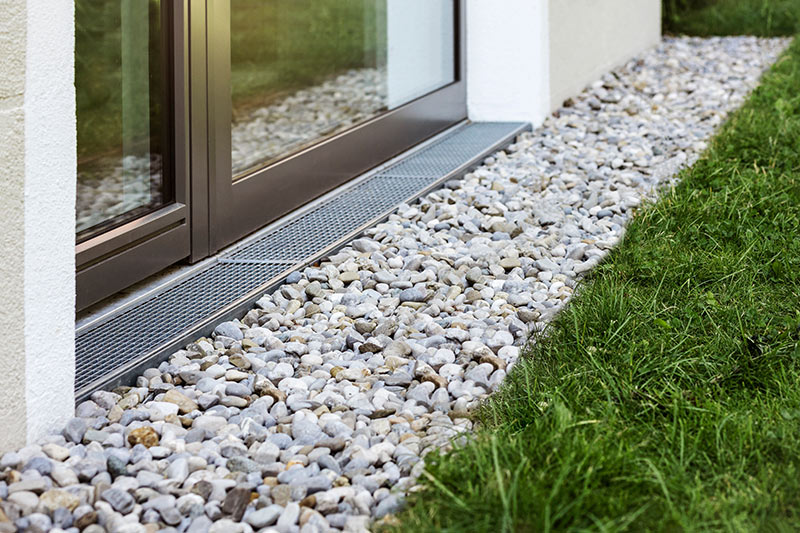
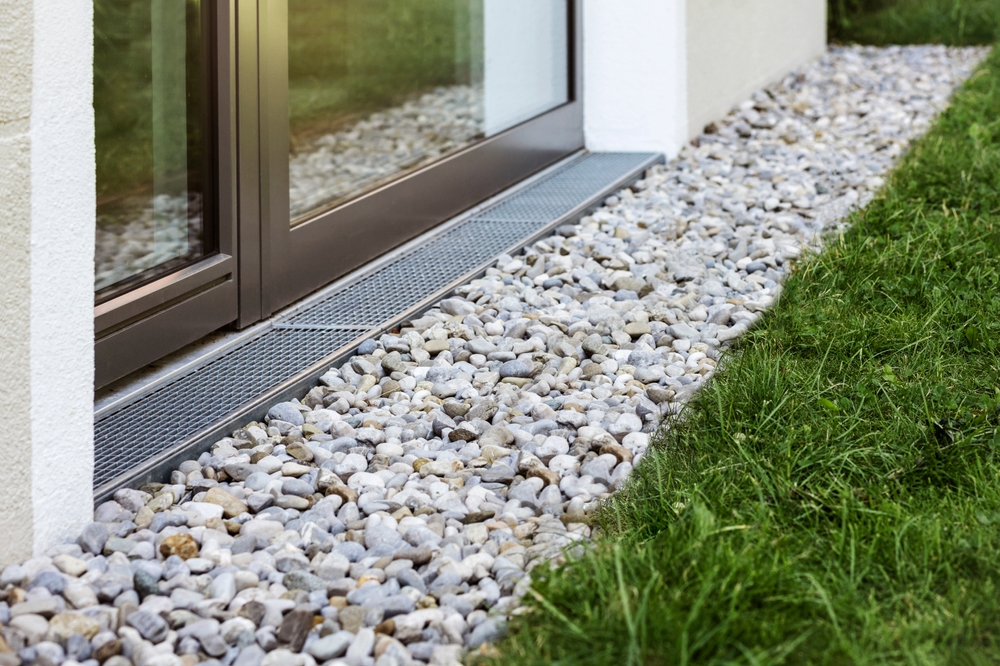
Surface drains and channel drains are installed at ground level to collect water runoff quickly. These are often used in driveways, patios, and along the edges of walkways where water tends to collect. They connect to an underground pipe system that carries water to a safe discharge point.
Regrading is another drainage repair technique that involves reshaping the slope of your yard so that water flows away from your home naturally. This is sometimes the most cost-effective long-term solution when the root cause of a drainage problem is improper grading done during the original construction of a home.
Sump pump installation is common for homes with basements or crawl spaces that collect water. A sump pump actively removes water that enters a designated pit and pumps it out of the home. In areas like 32503 where rainfall can be heavy and frequent, a sump pump adds an important layer of protection.
Downspout extensions and splash blocks redirect water from your roof’s gutter system further away from your foundation. These are simple but effective drainage repair options that are often overlooked by homeowners until a more serious problem develops.
How Do You Choose the Right Drainage Repair Company in the 32503 Area?
Choosing the right contractor for drainage services is just as important as choosing the right solution for your specific problem. Here are a few factors to keep in mind when evaluating your options in the 32503 area.
Experience with local soil and climate conditions matters a great deal. A contractor familiar with the sandy and clay-heavy soils common to the Pensacola area will be better equipped to recommend solutions that actually hold up over time. Ask potential contractors how long they have been working in the 32503 area and what types of properties they typically service.
Licensing and insurance are non-negotiable. Any legitimate drainage repair company operating in Florida should carry the appropriate state licenses and general liability insurance. This protects you as a homeowner if something goes wrong during the project.
Ask for a detailed written estimate before any work begins. A reputable drainage services company will inspect your property, explain the problem clearly, and provide a line-by-line breakdown of the costs involved. Be cautious of contractors who offer a one-size-fits-all solution without thoroughly assessing your property first.
References and online reviews are also valuable resources. Take time to read what other customers in the Pensacola area have said about their experiences. Look for patterns in the reviews that speak to the contractor’s reliability, quality of work, and responsiveness to problems after the job is done.
How Much Does Drainage Repair Typically Cost in the 32503 Area?
The cost of drainage repair in the 32503 area varies widely based on the complexity of the problem and the type of solution required. Minor fixes such as downspout extensions or the installation of a small surface drain may cost a few hundred dollars. More involved projects like French drain installation, regrading, or sump pump installation can range from a few thousand dollars to well over ten thousand dollars for larger or more complex properties.
It is worth noting that the cost of doing nothing often exceeds the cost of timely drainage repair. Water damage to foundations, flooring, and structural elements can run into the tens of thousands of dollars, not to mention the potential loss of property value and the expense of mold remediation.
Many drainage services companies in the Pensacola area offer free or low-cost initial assessments. Taking advantage of these evaluations gives you a clearer picture of what you are dealing with and what it will realistically cost to fix.
Conclusion
For property owners in the 32503 area, staying informed about drainage services and drainage repair options is one of the best investments you can make in your property’s long-term health. From identifying early warning signs to selecting the right contractor and solution, taking a proactive approach to drainage will save you significant time, money, and stress in the years ahead.
Need Landscaping and Drainage Solutions Near You?
Transform your outdoor space with Reflections Landscaping! With over 32 years of experience serving the greater Pensacola area, we take pride in delivering exceptional landscaping and drainage solutions tailored to your needs. Whether you’re dreaming of a vibrant landscape, need expert drainage solutions, or want flawless lawn care, our skilled team is here to bring your vision to life with unmatched craftsmanship and personalized attention. Contact us today to discuss your project—let’s work together to create a stunning oasis you’ll love!