
A Homeowner’s Guide to Effective Drainage Maintenance in Pensacola, FL
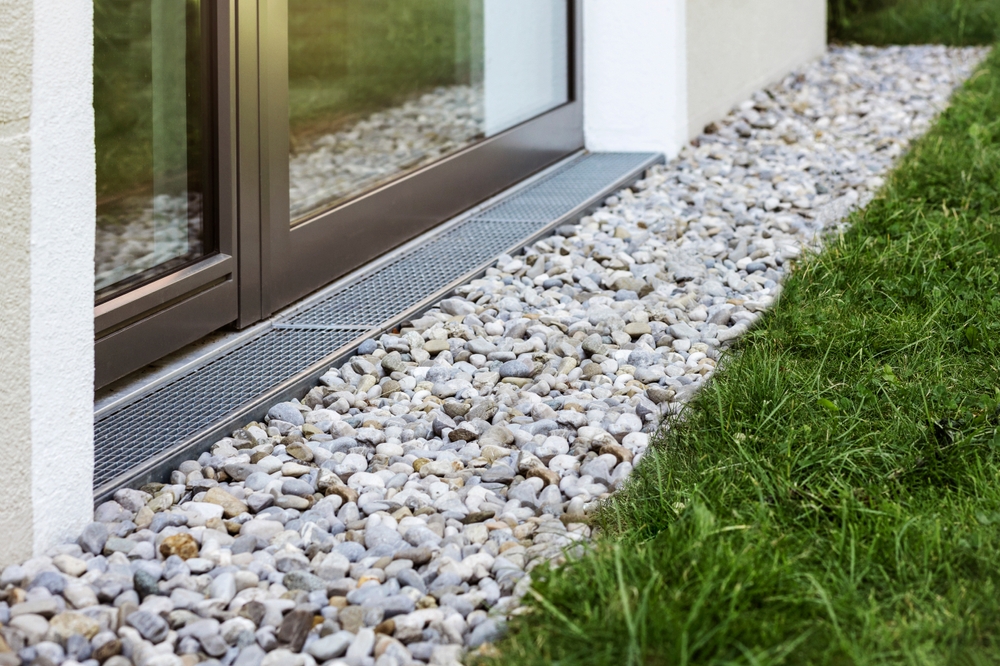
Living along the Gulf Coast means enjoying beautiful scenery, but it also means dealing with frequent rain, high humidity, and tropical weather that can put your landscape to the test. For homeowners in Pensacola, proper drainage maintenance is one of the most important steps for protecting your property from standing water, erosion, and long-term landscape damage.
Quick Answer
Effective drainage maintenance in Pensacola, FL means regularly inspecting your property’s drainage systems, keeping water pathways clear, addressing erosion early, and ensuring rainwater flows safely away from your home. Because Escambia County experiences heavy rainfall throughout the year, routine maintenance helps reduce the risk of foundation issues, lawn damage, and costly landscape repairs.
What Local Readers Should Know
- Heavy Gulf Coast rainstorms can overwhelm neglected drainage systems, causing water to pool around homes and landscaped areas.
- Sandy soils common throughout Pensacola can shift over time, affecting grading and water flow.
- Neighborhoods near Bayou Texar, Perdido Key, and Escambia Bay often experience periods of heavy rainfall that require reliable drainage solutions.
- Regular inspections help identify clogged drains, erosion, and grading problems before they become expensive repairs.
- Seasonal maintenance is especially valuable before hurricane season begins.
Why This Matters Locally
Effective drainage maintenance is especially important in Pensacola because of the region’s subtropical climate, frequent thunderstorms, and tropical weather systems. The National Weather Service regularly issues heavy rainfall forecasts during the warmer months, and intense downpours can quickly overwhelm properties with poor drainage.
Standing water does more than create muddy lawns. It can weaken landscape features, wash away mulch, damage plant roots, contribute to foundation moisture problems, and create ideal breeding conditions for mosquitoes.
At Reflections Landscaping, we help homeowners create landscapes that not only look beautiful but also manage water effectively through thoughtful drainage planning and ongoing maintenance.
Local Field Observations
Based on professional field observations throughout the Pensacola area, drainage issues often develop gradually rather than appearing overnight. Small areas of pooling water, minor erosion along garden beds, or slow drainage after storms frequently become larger problems after repeated heavy rainfall.
Properties with mature landscaping, older grading, or recent construction nearby may experience changing drainage patterns over time.
Local Impact
Poor drainage affects far more than appearance.
When water remains around your home for extended periods, it can:
- Saturate lawns and create muddy areas
- Damage ornamental plants and turfgrass
- Increase erosion around flower beds
- Wash away mulch and decorative stone
- Stress retaining walls and landscape borders
- Allow water to collect near foundations
- Make outdoor living spaces unusable after storms
These issues often become more noticeable during Pensacola’s rainy season when multiple storms occur within a short period.
Warning Signs
Effective drainage maintenance starts with recognizing early warning signs.
Watch for:
- Standing water that remains more than 24 hours after rainfall
- Soil erosion around slopes or planting beds
- Exposed roots near trees and shrubs
- Water flowing toward your home’s foundation
- Soggy lawn areas that never fully dry
- Mulch repeatedly washing into walkways
- Gutters overflowing into landscaped areas
- Dead or stressed plants in consistently wet locations
When to Call a Professional
Professional drainage service is recommended when water repeatedly pools after storms, erosion continues despite basic maintenance, or you notice water collecting near your home’s foundation.
Homeowners can safely remove leaves from surface drains, monitor gutter discharge, and observe how water flows during rainfall. However, correcting grading problems, installing drainage systems, or addressing significant erosion typically requires professional evaluation and equipment.
Common Local Causes
Several factors commonly contribute to drainage problems in the Pensacola area.
Heavy Rainfall
Frequent Gulf Coast storms can produce more water than poorly maintained drainage systems can handle.
Settling Soil
Even sandy soils can settle over time, creating low spots where water naturally collects.
Clogged Drainage Components
Leaves, pine needles, mulch, and debris often block catch basins and drainage channels.
Improper Grading
Landscapes that no longer slope away from the home may direct water toward structures instead of away from them.
Landscape Changes
New patios, gardens, fencing, or neighboring construction can alter natural drainage patterns.
Prevention and Maintenance
Routine maintenance helps drainage systems perform as intended throughout the year.
Helpful maintenance practices include:
- Inspect drainage areas after major storms.
- Remove leaves and debris from drains and swales.
- Keep downspout outlets clear.
- Refresh mulch carefully without blocking drainage paths.
- Monitor slopes for early erosion.
- Schedule professional inspections before hurricane season.
- Address minor drainage concerns before repeated storms make them worse.
Consistent maintenance is generally less expensive than repairing significant water damage later.
Expected Results
Proper drainage maintenance can help homeowners expect:
- Faster drying after rainfall
- Reduced standing water
- Healthier lawns and planting beds
- Less erosion
- Improved landscape appearance
- Better protection for foundations and hardscapes
- Longer-lasting landscape investments
Results depend on property conditions, rainfall intensity, and the type of drainage improvements used.
Common Mistakes
Ignoring Small Pooling Areas
Small puddles often become larger drainage problems after repeated storms.
Better approach: Monitor recurring wet areas and address them early.
Covering Drains with Mulch
Excess mulch can block drainage openings.
Better approach: Keep drainage inlets visible and unobstructed.
Assuming Gutters Solve Everything
Clean gutters help, but they cannot correct poor grading or inadequate yard drainage.
Better approach: Evaluate the entire property’s water flow.
Waiting Until Hurricane Season
Emergency repairs are often more stressful and expensive.
Better approach: Schedule inspections before periods of heavy rainfall.
Common Local Scenario
A homeowner notices that one corner of the backyard remains muddy for several days after every summer thunderstorm. Initially, the problem seems minor, but over several months the area begins losing grass, mulch washes into nearby walkways, and erosion develops around landscape beds. A professional drainage evaluation identifies subtle grading issues and blocked drainage pathways that can be corrected before larger structural problems develop.
Related Service Solutions
Drainage maintenance often works alongside other landscape services, including:
- Yard grading
- French drain installation
- Catch basin maintenance
- Swale improvements
- Landscape renovation
- Erosion control
- Downspout drainage improvements
- Landscape design that supports proper water movement
Comparing Your Options
| DIY Maintenance | Professional Drainage Service |
|---|---|
| Remove visible debris | Evaluate complete drainage patterns |
| Monitor standing water | Correct grading issues |
| Clean surface drains | Install or repair drainage systems |
| Watch for erosion | Design long-term drainage solutions |
| Seasonal inspections | Address complex drainage challenges |
Service Areas
We proudly serve homeowners throughout Pensacola, as well as nearby communities including Gulf Breeze, Pace, Milton, Cantonment, Perdido Key, and other surrounding areas throughout Escambia County and Santa Rosa County.
Cost of Ignoring the Issue
Delaying drainage maintenance can allow relatively small problems to become much more expensive. Continued erosion, saturated landscaping, foundation moisture concerns, damaged hardscapes, and declining plant health often require more extensive repairs than early preventative maintenance.
Frequently Asked Questions
How often should homeowners schedule drainage maintenance in Pensacola?
Regular inspections at least once each year are recommended, with additional checks before and after hurricane season because heavy rainfall can significantly affect drainage performance.
Why does my yard stay wet after rain in Pensacola?
Persistent wet areas often result from poor grading, clogged drainage components, compacted soil, or natural low spots that collect water during Gulf Coast storms.
Are drainage problems common in Escambia County?
Yes. Heavy seasonal rainfall, tropical weather, and changing landscape conditions make drainage maintenance an important part of protecting residential properties throughout Escambia County.
Can landscaping improve drainage?
Yes. Proper grading, strategically placed drainage systems, erosion control measures, and thoughtful landscape design can all improve water movement across a property.
Should standing water always be addressed?
Yes. Water that remains for more than a day after rainfall may indicate an underlying drainage issue that deserves further evaluation.
What is the best time for drainage maintenance in Pensacola?
The ideal time is before the rainy season and before hurricane season begins, allowing any necessary improvements to be completed before periods of heavy rainfall.
Can drainage issues damage my home’s foundation?
Yes. Water consistently collecting near a foundation can contribute to moisture-related concerns over time, making proper drainage an important part of overall property maintenance.
Is drainage maintenance only necessary after storms?
No. Routine inspections throughout the year help identify developing issues before major storms place additional stress on the drainage system.
Protect Your Pensacola Landscape with Proactive Drainage Maintenance
Proper drainage helps preserve your landscape, protect your home, and reduce the risk of costly water-related damage. Whether you’re noticing early warning signs or want to prepare your property for the next rainy season, proactive maintenance can make a lasting difference.
Keep Water Moving in the Right Direction
Our team is ready to help evaluate your property’s drainage needs and recommend practical, long-term solutions designed for local conditions.