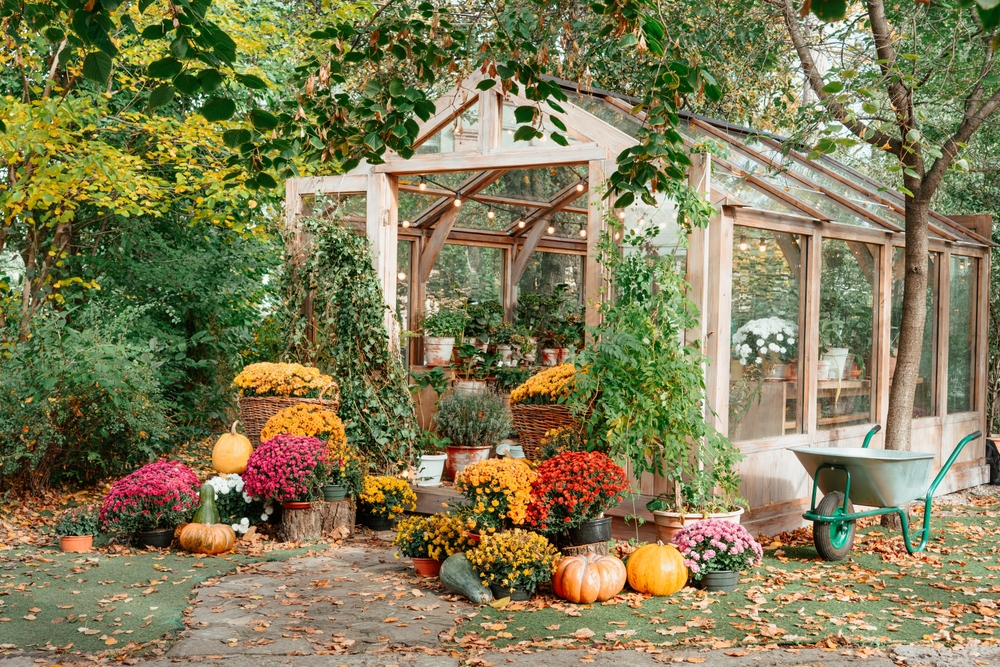
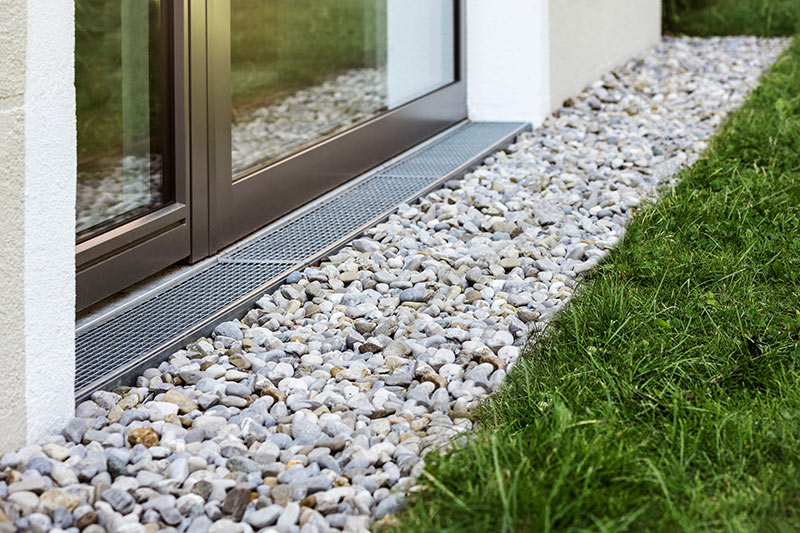
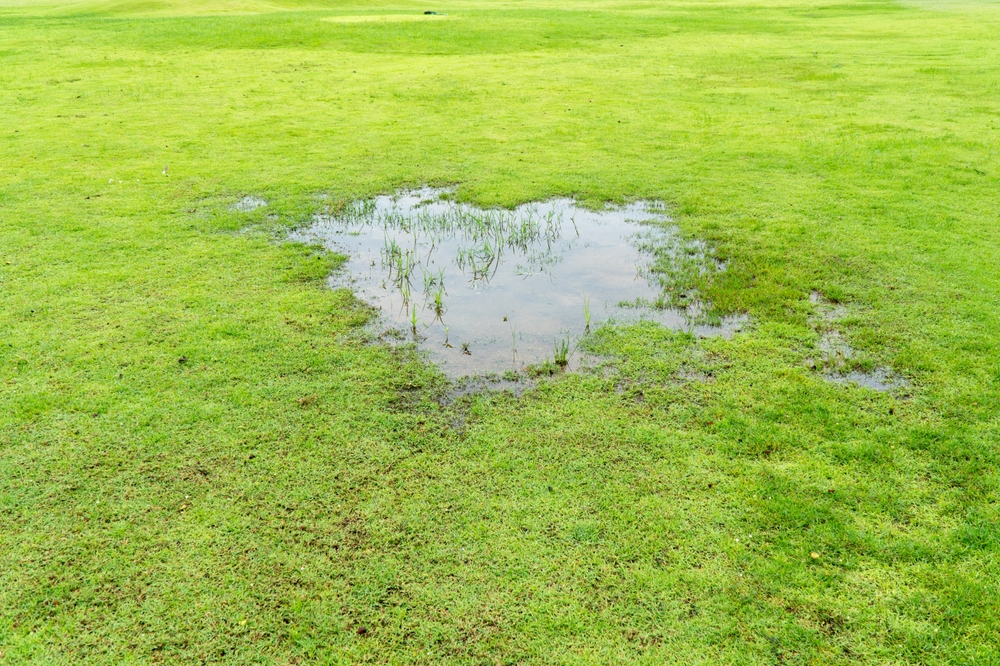
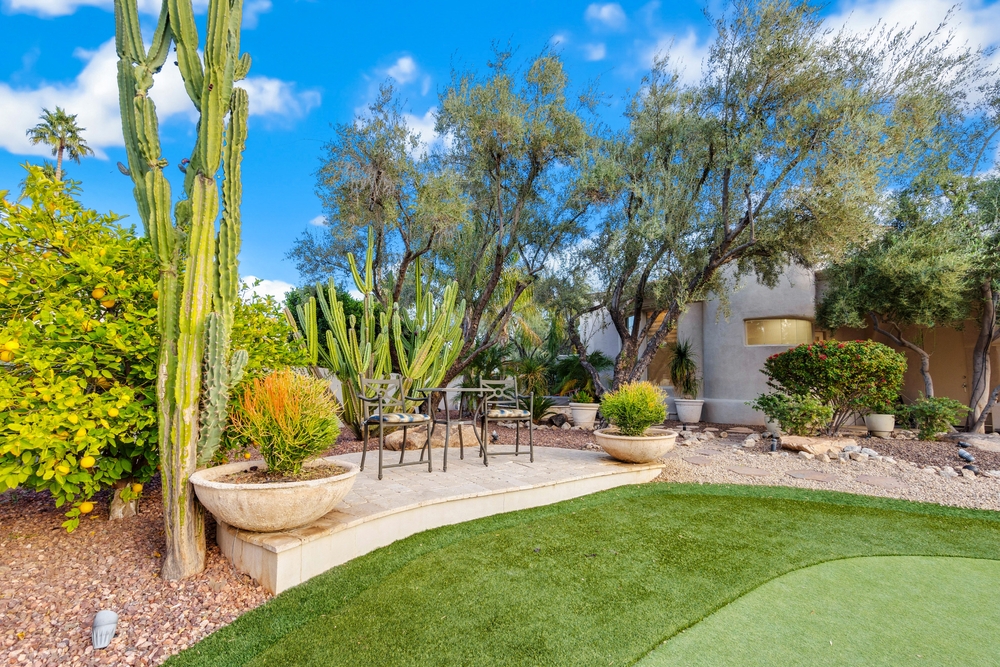
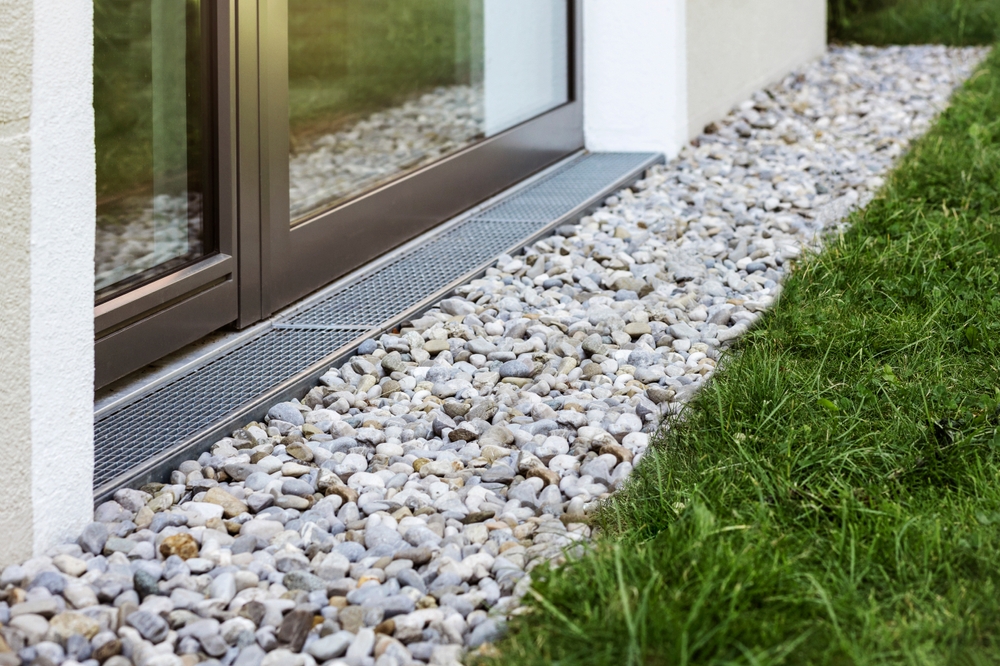
Pensacola gardens face a distinctive mix of Gulf Coast heat, humidity, periods of heavy rain, and stretches when supplemental watering can become important. A sustainable landscape works with those conditions instead of constantly fighting them, helping homeowners create attractive outdoor spaces while using water, plants, soil, and maintenance resources more efficiently.
Quick answer:Sustainable landscaping in Pensacola means choosing plants suited to Northwest Florida, improving soil health, watering efficiently, managing stormwater, reducing unnecessary lawn areas, and maintaining plants according to local growing conditions. The goal is not a maintenance-free yard. It is a landscape designed to need fewer unnecessary inputs while remaining functional, attractive, and better adapted to the Gulf Coast environment.
What local readers should know
Plants suited to Northwest Florida conditions generally require less intervention than plants poorly matched to the site.
Pensacola’s sandy soils can make thoughtful irrigation and soil improvement especially valuable.
Heavy Gulf Coast rain makes drainage and stormwater management part of sustainable landscape planning.
Mulch can help moderate soil moisture, protect roots, and reduce weed competition when installed correctly.
Sustainable landscaping can still include lawns, ornamental plants, outdoor living areas, and polished landscape design.
Why Do Sustainable Landscaping Practices Matter in Pensacola?
Sustainable landscaping practices matter in Pensacola because a successful garden must handle Northwest Florida’s heat, rainfall, humidity, sandy soils, and occasional severe weather while remaining practical to maintain. Designing around those local conditions can reduce wasted water, unnecessary plant replacement, excessive maintenance, and recurring landscape problems.
Properties around East Hill, Scenic Heights, Ferry Pass, and other parts of Escambia County can have very different combinations of sun exposure, drainage, existing trees, and soil conditions. Even two nearby yards may require different approaches.
That is why sustainability starts with the site rather than a predetermined plant list. Reflections Landscaping can help local property owners consider how plants, irrigation, drainage, and usable outdoor areas work together. From this point forward, our focus is on creating landscapes that make sense for the property and the local environment.
What Local Conditions Should Shape an Eco-Friendly Garden?
Local climate, soil, rainfall, sunlight, and drainage should shape an eco-friendly garden before individual plants or decorative features are selected. In the Pensacola area, sustainable design means accounting for warm-season growing conditions, sandy soils, intense sun exposure, humid weather, and rainfall that may arrive heavily rather than evenly.
A useful first step is observing the property. Where does water collect after a storm? Which beds receive afternoon sun? Are mature trees creating dense shade? Does irrigation reach pavement instead of plant roots?
These observations help determine where drought-tolerant plants, moisture-tolerant selections, shade plantings, improved drainage, or irrigation adjustments may be appropriate. They also help avoid a common landscaping mistake: putting a good plant in the wrong location.
How Does Sustainable Landscaping Affect Local Homeowners?
Sustainable landscaping can help local homeowners create healthier, more manageable outdoor spaces by matching maintenance demands to actual property conditions. A well-planned landscape can make watering more efficient, reduce recurring plant stress, improve drainage management, and limit the amount of time spent correcting avoidable landscape problems.
For homeowners near Pensacola Bay, Bayou Texar, or other parts of the coastal region, responsible water management can also be an important design consideration. Keeping soil and mulch where they belong and directing runoff appropriately can make a landscape more resilient during periods of substantial rainfall.
Sustainability is ultimately about efficiency. Every plant, bed, irrigation zone, and lawn area should have a purpose.
What Are Signs Your Landscape Could Be More Sustainable?
Several recurring yard problems can indicate that a landscape is poorly matched to Pensacola’s growing conditions or is using more resources than necessary.
Plants repeatedly wilt even though irrigation runs regularly.
Water pools in low areas or washes mulch and soil from beds.
Sprinklers frequently water sidewalks, driveways, or other hard surfaces.
Large lawn areas are difficult to keep healthy or are rarely used.
Plants repeatedly struggle in areas with excessive sun or deep shade.
Weeds quickly return in bare or thinly mulched planting beds.
Some irrigation zones stay wet while other areas remain dry.
Plants require frequent replacement because they are poorly suited to their locations.
One symptom does not automatically mean the entire landscape needs to be redesigned. It does suggest that the underlying site conditions deserve attention.
When Should You Call a Landscaping Professional?
A landscaping professional is useful when sustainability problems involve overall design, irrigation coverage, drainage, repeated plant failure, or multiple areas of the property. Homeowners can monitor watering, refresh appropriate mulch, remove weeds, and observe plant health, but interconnected landscape problems often require a broader evaluation.
For example, replacing a struggling shrub may not solve anything if the real problem is poor drainage. Adding more irrigation may make matters worse if a plant is declining because its roots remain too wet.
Our approach is to look at the landscape as a system. Soil, water, sunlight, plant selection, grading, and maintenance practices all affect one another.
What Are Common Causes of Unsustainable Pensacola Landscapes?
The most common causes of unsustainable Pensacola landscapes include mismatched plants, inefficient irrigation, exposed soil, drainage problems, and designs that require more maintenance than the property owner realistically wants to provide.
1. Plants in the wrong locations: A plant may tolerate Northwest Florida generally but still struggle if its specific location is too sunny, shady, wet, or dry.
2. Inefficient watering: Overwatering wastes resources and can create plant health problems, while insufficient or poorly distributed irrigation leaves roots stressed.
3. Poor stormwater movement: Heavy rainfall can expose low spots, erosion areas, and drainage limitations that are easy to overlook during dry weather.
4. Excessive high-maintenance turf: Lawn can be useful, but turf in narrow strips, difficult slopes, or heavily shaded locations may demand more attention than it provides in value.
5. Bare soil: Exposed beds can lose moisture faster and provide opportunities for weeds to establish.
How Can Pensacola Homeowners Maintain Gardens More Sustainably?
Pensacola homeowners can maintain gardens more sustainably by watering according to actual need, protecting soil, choosing appropriate plants, and adjusting maintenance with the seasons. Small improvements are often more practical than trying to transform an established landscape all at once.
Check irrigation periodically for broken heads, overspray, uneven coverage, and unnecessary watering. Maintain mulch at an appropriate depth without piling it against trunks or plant crowns. Watch how beds respond after major rain events, and address erosion or persistent standing water rather than repeatedly replacing displaced material.
Planting decisions matter too. Northwest Florida-friendly selections should be chosen according to each site’s light, space, moisture, and maintenance requirements.
DIY maintenance can handle routine observation and basic upkeep. Drainage changes, significant irrigation work, major landscape redesigns, and persistent plant problems may be better handled professionally.
What Results Can You Expect From Sustainable Landscaping?
Sustainable landscaping can produce a more resilient and manageable property, but results depend on the existing site, plant choices, installation quality, weather, and ongoing care. Homeowners should expect gradual improvements in landscape efficiency rather than an instant, maintenance-free garden.
New plants still need establishment care. Mulch still needs attention. Irrigation should still be checked. Storms can still affect even a thoughtfully designed property.
The difference is that maintenance becomes more intentional. Instead of constantly correcting problems created by poor plant placement or inefficient design, homeowners can focus on supporting a landscape built around local conditions.
What Sustainable Landscaping Mistakes Should You Avoid?
The biggest sustainable landscaping mistakes involve treating one environmentally friendly idea as a universal solution instead of considering the entire property.
Mistake: Choosing plants only because they are labeled drought tolerant. Consequence: A drought-tolerant plant may still fail in a poorly drained location. Better approach: Match plants to sunlight, soil moisture, mature size, and site conditions.
Mistake: Eliminating irrigation without a plan. Consequence: Newly installed plants may struggle during establishment. Better approach: Use irrigation efficiently and adjust it as landscape needs change.
Mistake: Covering every unused area with turf. Consequence: Difficult lawn areas may require unnecessary water and maintenance. Better approach: Use beds, groundcovers, or other suitable landscape features where they make functional sense.
What Is a Common Eco-Friendly Landscaping Scenario in Pensacola?
A common Pensacola scenario is a sunny yard with a large lawn, several struggling ornamental beds, irrigation overspray, and a low area that stays wet after substantial rain. The homeowner may initially think each issue needs a separate fix, but the landscape can often be evaluated more effectively as one connected system.
A sustainable plan might reconsider the size of the lawn, select plants according to each moisture zone, improve irrigation targeting, protect exposed soil with appropriate mulch, and address how rainfall moves through the property.
This is a common local scenario, not a description of a specific Reflections Landscaping project.
Which Landscaping Services Support a More Sustainable Yard?
Landscape planning, plant selection, bed improvements, irrigation considerations, drainage solutions, and ongoing landscape maintenance can all support a more sustainable yard. The right combination depends on whether the property needs a few targeted improvements or a more comprehensive redesign.
Our goal is to help homeowners identify improvements that fit their property rather than adding features simply for the sake of adding them.
Should You Improve Your Existing Landscape or Redesign It?
Improving an existing landscape is usually appropriate when the basic layout works, while redesigning may make more sense when recurring problems affect multiple parts of the property. The best option depends on plant health, drainage, irrigation, usability, maintenance expectations, and the homeowner’s goals.
A targeted approach might involve replacing poorly located plants, improving beds, or correcting irrigation coverage. A broader redesign can coordinate lawn areas, planting zones, drainage, and outdoor spaces from the beginning.
Neither approach is automatically more sustainable. The better choice is the one that solves the underlying problems without unnecessary work or materials.
Where Can Sustainable Landscaping Be Used Around Pensacola?
Sustainable landscaping principles can be applied throughout Pensacola and surrounding Escambia County communities, including properties in East Hill, Scenic Heights, Ferry Pass, and nearby areas. The exact strategy should change according to each property’s soil, sun exposure, drainage, existing vegetation, and intended use.
Coastal Northwest Florida does not have a single landscape formula. Site-specific planning is what makes sustainable practices useful.
What Can Happen If Landscape Problems Are Ignored?
Ignoring recurring landscape problems can lead to unnecessary plant replacement, wasted water, worsening erosion, persistent drainage concerns, and continued maintenance expenses. Gulf Coast weather can expose weak points quickly, particularly when a property alternates between hot conditions and periods of substantial rainfall.
Waiting is not always harmful. Some seasonal changes are normal. But repeated failures in the same location usually deserve investigation instead of another temporary fix.
A sustainable Pensacola landscape is designed around local soil, rainfall, heat, sunlight, drainage, and plant requirements. It uses water thoughtfully, places plants where they can perform well, protects soil, and avoids unnecessary maintenance demands. Sustainability does not require a wild or informal appearance. A landscape can be polished and environmentally responsible.
Are native plants required for an eco-friendly Pensacola garden?
No, an eco-friendly garden does not have to contain only native plants. Native species can be valuable when they suit the site’s conditions, but plant selection should also consider sunlight, moisture, mature size, maintenance, and landscape goals. The priority is choosing appropriate plants rather than relying on one category alone.
How does sandy soil affect Pensacola landscaping?
Sandy soil can influence how quickly water and nutrients move through the root zone, making plant selection, irrigation practices, and soil management important considerations. Conditions also vary from property to property across Escambia County, so homeowners should evaluate their actual site rather than assume every local yard behaves identically.
Can I have a lawn and still use sustainable landscaping practices?
Yes. Sustainable landscaping does not require removing every lawn. Turf can provide useful space for recreation, pets, children, or visual structure. The key is placing lawn where it serves a purpose and can grow successfully instead of maintaining difficult turf in deeply shaded, narrow, poorly drained, or unused areas.
How can I reduce landscape water waste in Pensacola?
Start by checking irrigation for overspray, leaks, poor coverage, and watering that does not match plant needs. Grouping plants with similar moisture requirements can also make irrigation more efficient. Because rainfall varies, irrigation practices should respond to actual landscape conditions rather than operating unchanged throughout the year.
Does mulch help Gulf Coast gardens?
Yes, properly installed mulch can help conserve soil moisture, limit weed competition, and protect the soil surface in Gulf Coast landscapes. It should not be piled against tree trunks or plant crowns. Homeowners should also check beds after heavy rain because displaced mulch can reveal runoff or drainage issues.
What should I plant in a low, wet part of my Pensacola yard?
Plants for a low, wet area should be selected only after understanding why the area remains wet and how long the moisture persists. Moisture-tolerant plants may be appropriate in some locations, while other properties may need drainage improvements first. Simply installing new plants does not correct an underlying water-management problem.
When is a good time to improve an eco-friendly garden in Northwest Florida?
The best timing depends on the type of work, plant species, weather, and current site conditions. Planning can begin whenever recurring problems become apparent. For planting or major landscape changes, consider expected heat, rainfall, establishment needs, and irrigation availability before choosing a schedule.
Build a Landscape That Works With the Gulf Coast
A sustainable garden should make your outdoor space easier to enjoy while respecting the conditions that shape landscapes across Pensacola and Northwest Florida. Thoughtful plant placement, efficient watering, healthier soil management, and practical drainage planning can create a yard that looks intentional without relying on unnecessary inputs.
Create a More Resilient Pensacola Landscape
We can help you explore practical landscape improvements based on your property’s conditions, appearance, and maintenance goals.
Heavy rain can turn a small drainage issue into standing water, washed-out mulch, soggy turf, or water collecting near a home surprisingly quickly. In Pensacola, coastal weather, a high groundwater table, limited elevation changes, and periods of intense rainfall make the way water moves across a property especially important.
Proper landscape drainage helps move excess water away from structures, lawns, planting beds, and high-use areas while allowing water to soak into the ground where conditions permit. The right solution depends on the property’s grade, soil, runoff patterns, and where the water ultimately needs to go. Addressing drainage problems early can help reduce erosion, plant stress, persistent wet areas, and water accumulation near foundations.
What local property owners should know
Standing water after storms can indicate that the landscape is not moving or absorbing runoff effectively.
Pensacola’s high groundwater table and minimal gradient can make drainage more challenging than simply directing water downhill.
Runoff in the local watershed eventually reaches waterways such as Bayou Texar, Bayou Chico, Pensacola Bay, or Escambia Bay.
Roof runoff, paved surfaces, compacted soil, and poorly graded yards can concentrate more water in one part of a property.
Drainage improvements should address where water comes from, how it moves, and where it can be discharged or absorbed safely.
Why Proper Drainage Matters in Pensacola
Proper drainage matters in Pensacola because local properties must handle frequent rainfall along with coastal conditions that can make stormwater slower or more difficult to move. A drainage system that manages runoff effectively can protect usable landscaping, reduce erosion, limit prolonged saturation, and keep water from repeatedly collecting beside buildings or outdoor living areas.
The City of Pensacola identifies yearly rainfall, a high groundwater table, tidal influence, and minimal gradient as challenges for local stormwater management. The area’s gently rolling terrain also includes sandy soils, while extensive development has created more roofs, driveways, roads, patios, and other surfaces that do not readily absorb rainfall.
That combination means drainage is not only an issue for visibly low properties. Homes around East Hill, Cordova Park, Scenic Heights, Bayou Texar, and other developed areas may experience very different runoff patterns depending on grading, neighboring elevations, paved surfaces, and landscaping.
At Reflections Landscaping, we look at drainage as part of the overall landscape rather than treating standing water as an isolated problem. Our goal is to understand how water is entering the property, where it collects, and which landscape conditions are contributing to the issue.
Local Drainage Conditions and Public Stormwater Information
Pensacola’s drainage challenges are closely connected to rainfall, groundwater, topography, development, and its surrounding bays and bayous. The City of Pensacola notes that much of the community was developed before modern stormwater controls existed and that local runoff ultimately moves toward waterways including Bayou Texar, Bayou Chico, Pensacola Bay, and Escambia Bay.
The city also describes the Pensacola watershed as having gently rolling terrain with sandy soil over limestone at varying depths. During severe coastal storm events, tidal surge can reduce drainage at some public outfalls by pushing seawater and sediment back toward discharge points.
These larger public drainage conditions do not automatically explain a specific wet spot in a residential yard, but they show why local drainage needs to be evaluated with the surrounding environment in mind.
How Poor Drainage Can Affect Your Property
Poor drainage can affect a Pensacola property by keeping soil saturated, damaging landscaped areas, creating erosion, and allowing water to remain close to structures or frequently used portions of the yard. Repeated problems can also make lawns and planting beds harder to maintain because plant roots need both moisture and access to oxygen.
Water flowing too quickly can carry mulch and exposed soil downhill. Water flowing too slowly can leave low areas soft or muddy long after the rest of the landscape has dried.
Drainage also matters when adding hardscaping or changing a landscape. A new patio, walkway, bed, or other feature can alter how water travels, so runoff should be considered as part of the design.
Warning Signs of a Landscape Drainage Problem
A drainage problem often shows itself through recurring standing water, erosion, soggy soil, or runoff that consistently follows the same unwanted path after rainfall. Local property owners should pay attention to patterns that repeat from one storm to the next rather than judging the landscape only during unusually heavy weather.
Common warning signs include:
Puddles that remain well after rainfall has stopped
Consistently muddy or soft sections of lawn
Water collecting next to the house or other structures
Mulch repeatedly washing out of planting beds
Channels or exposed soil caused by runoff
Turf thinning in chronically wet areas
Water regularly flowing across patios or walkways
Downspouts discharging into areas that already drain poorly
When to Call a Professional
Professional drainage help is appropriate when water repeatedly collects near structures, erosion continues after basic maintenance, or the source and destination of runoff are not clear. Minor maintenance such as clearing visible debris may be manageable for homeowners, but changing grades or installing drainage components requires a broader understanding of how the property handles water.
A professional evaluation becomes especially useful when several sources of runoff meet in the same area. Roof water, neighboring grades, driveways, patios, and natural slopes can all contribute.
In Pensacola, drainage planning should also account for local topography and the possibility that a property does not have a significant natural slope available for moving water.
Common Causes of Drainage Problems in Pensacola
The most common local drainage problems usually result from grading, concentrated runoff, low areas, compacted soil, or changes to the landscape that alter the natural path of water. Pensacola’s rainfall and relatively flat coastal setting can make those weaknesses much more noticeable during periods of frequent or intense storms.
Improper grading: Water naturally follows elevation, so areas sloping toward a home or depression can collect runoff.
Roof runoff: Downspouts can place a large amount of water into one small landscape area.
Low spots: Depressions in lawns and planting beds may hold water after surrounding areas drain.
Impervious surfaces: Driveways, patios, walkways, and roofs prevent rainfall from soaking directly into the soil.
Landscape changes: New beds, edging, hardscape, or soil additions can unintentionally block an existing drainage path.
Obstructions: Leaves, sediment, roots, or landscape debris can interfere with drains and established flow paths.
Preventing Drainage Problems
Drainage problems are easier to manage when property owners regularly watch how water behaves and address small changes before they become persistent trouble spots. In Northwest Florida, the best time to check drainage is during or immediately after rainfall, when runoff paths, low areas, and overloaded sections of the landscape are easy to see.
Keep visible drain openings clear of leaves and debris. Check that downspouts are not dumping directly into known low spots. Watch for mulch, soil, or sediment moving after storms.
Property owners should avoid making major grade changes simply to move water somewhere else. Redirecting runoff without evaluating its destination can trade one drainage problem for another or affect an adjacent property.
What to Expect From Drainage Improvements
Effective drainage improvements should reduce unwanted standing water, control runoff more predictably, and help the landscape recover more consistently after rainfall. Results depend on the cause of the problem, the site’s elevation, available discharge or infiltration areas, soil conditions, and the amount of water entering the affected area.
Some properties may benefit from grading adjustments. Others may require drains, piping, swales, downspout management, or a combination of approaches.
No drainage system can eliminate every effect of extreme weather. The practical goal is to manage normal and heavy rainfall more effectively while reducing recurring trouble spots.
Common Drainage Mistakes
The biggest drainage mistakes involve treating the visible puddle without identifying why the water is there or where it should go instead. On Pensacola properties, a better approach is to evaluate the entire runoff path before changing grades, installing drains, or adding landscape materials.
Mistake: Filling a low spot without identifying the source of the water. Consequence: Water may collect somewhere else. Better approach: Trace the runoff before changing elevations.
Mistake: Sending a downspout toward an already wet area. Consequence: The landscape receives even more concentrated water. Better approach: Evaluate a suitable route or drainage solution for roof runoff.
Mistake: Blocking a natural flow path with edging or a new planting bed. Consequence: Water may back up behind the obstruction. Better approach: Include drainage planning whenever modifying the landscape.
A Common Local Drainage Scenario
A common Pensacola drainage scenario involves a low section of lawn that stays wet after surrounding areas begin drying. Water may be arriving from a roof downspout, a driveway, a neighboring high point, or several sources at once, while the property’s limited slope prevents it from leaving efficiently.
Simply covering the area with new sod or additional soil may not solve the cause.
A better process is to observe the property during rainfall, identify each runoff source, determine how the grade affects water movement, and choose a solution that manages the full drainage path.
Related Landscape Drainage Solutions
Drainage solutions work best when they are selected for the property’s actual runoff pattern rather than chosen solely because a particular product is popular. Depending on the site, options may include grading adjustments, swales, catch basins, underground drainage, downspout drainage, or landscape modifications that improve the way water moves.
We can evaluate the surrounding landscape and help determine which approach makes sense for the property.
DIY drainage works best for simple maintenance, while professional service is better suited to recurring problems involving grading, multiple runoff sources, underground drainage, or water near structures. The key distinction is whether the problem involves routine upkeep or requires changing how water moves across the property.
Homeowners can safely clear debris, monitor puddles, photograph runoff during storms, and check where downspouts discharge.
Professional help is worth considering when a solution involves excavation, changing elevations, installing drainage components, or determining where collected water should safely travel.
Drainage Service Areas
Landscape drainage concerns occur throughout Pensacola and nearby Escambia County communities because individual properties vary widely in elevation, development, and runoff patterns. Conditions near Bayou Texar or established neighborhoods such as East Hill can also differ from properties farther north toward Scenic Heights and surrounding residential areas.
We evaluate each site based on its actual landscape rather than assuming one drainage method fits every property.
The Cost of Ignoring Drainage Problems
Ignoring recurring drainage can allow erosion, saturated soil, damaged planting areas, and inconvenient standing water to continue or become more difficult to correct. The longer runoff follows an unwanted path, the more opportunity it has to move soil, displace mulch, weaken turf, and affect the usability of the landscape.
Water problems near structures deserve particular attention. Even when no immediate damage is visible, repeatedly allowing water to collect where it should not is a reason to investigate the cause.
Frequently Asked Questions About Drainage in Pensacola
Proper drainage questions in Pensacola usually center on standing water, soil conditions, heavy rainfall, grading, and determining whether a drainage issue needs professional attention. The following answers address several of the most common concerns for local homeowners and property owners.
Why does water stand in my Pensacola yard after rain?
Standing water usually means runoff is entering an area faster than it can drain away or soak into the ground. A low spot, limited slope, concentrated roof runoff, grading, or an obstruction may be involved. Because Pensacola also has a high groundwater table, the full site should be considered before choosing a solution.
Is sandy soil always good for drainage in Pensacola?
No. Sandy soil can allow water to infiltrate efficiently under suitable conditions, but soil type alone does not guarantee good drainage. Compaction, high groundwater, low elevations, landscape grading, and the volume of runoff entering an area can still create standing water or saturated conditions on local properties.
Can heavy rain overwhelm landscape drainage?
Yes. Even a well-planned drainage system has practical limits during unusually intense rainfall or major tropical weather. Drainage improvements are intended to manage runoff more effectively and reduce recurring problems, not promise that a yard will remain completely dry during every severe Gulf Coast storm.
Why does water keep washing mulch out of my landscape beds?
Water washing mulch from beds usually indicates concentrated runoff moving through the landscape with enough force to carry material with it. The source may be a downspout, sloped pavement, an uphill portion of the yard, or grading that channels water through the bed. Redirecting or slowing the runoff can address the cause.
Does drainage near Bayou Texar require special consideration?
Properties near Bayou Texar should be evaluated according to their specific elevation, runoff pattern, and surrounding drainage conditions. The City of Pensacola has documented significant stormwater infrastructure connected to the bayou, and local tidal conditions can affect broader stormwater behavior. A property’s individual landscape still requires site-specific evaluation.
How do I know whether my Pensacola drainage problem needs professional help?
Professional help is worth considering when standing water repeatedly returns, runoff is causing erosion, water collects near structures, or several water sources converge in one location. It is also appropriate when correcting the problem may require excavation, grade changes, underground drainage, or determining a safe destination for redirected water.
Protect Your Pensacola Landscape From Recurring Drainage Problems
Proper drainage helps create a landscape that handles Northwest Florida rainfall more effectively while protecting lawns, planting beds, outdoor spaces, and the areas surrounding structures. Understanding where water comes from and where it needs to go is the foundation of a lasting solution.
Improve the Way Water Moves Across Your Property
We can help evaluate recurring drainage concerns and identify practical options based on the conditions of your landscape.
Pensacola’s 32503 area is no stranger to heavy rain, high humidity, and fast-moving summer storms. While these conditions help create lush landscapes, they can also expose drainage problems that lead to standing water, soil erosion, damaged plants, and foundation concerns. Understanding what causes these issues is the first step toward protecting your property.
Quick Answer
Common drainage issues in Pensacola’s 32503 area include standing water after storms, soil erosion, poor yard grading, clogged drainage systems, compacted soil, and runoff from neighboring properties. Local weather patterns, flat terrain in some neighborhoods, and frequent Gulf Coast rainfall all contribute to these challenges. Identifying the source of poor drainage early can help prevent more expensive landscape and property damage over time.
What Local Readers Should Know
Heavy summer thunderstorms can overwhelm yards that lack proper grading or drainage systems.
Clay pockets and compacted soils found in parts of Escambia County may slow water absorption.
Properties near Bayou Texar and lower elevation areas often experience increased drainage concerns during periods of heavy rainfall.
Standing water can damage turfgrass, ornamental plants, and landscape beds if it remains for more than a day or two.
Proper drainage planning is often more effective and less expensive than repeatedly repairing landscape damage.
Why This Matters Locally
Drainage problems affect more than appearance. In Pensacola, frequent rain combined with coastal humidity can quickly turn small drainage issues into ongoing property concerns. Water that does not move away from a home may contribute to foundation settling, mosquito breeding, root damage, and erosion around landscape features.
Older neighborhoods throughout the 32503 ZIP code often have mature landscaping that has changed how water naturally flows across the property over the years. New patios, driveways, fences, or garden beds may also redirect runoff in unexpected ways.
Reflections Landscaping understands that every property responds differently to rainfall. We evaluate how water moves through each landscape so recommendations fit the property’s unique conditions rather than applying a one-size-fits-all solution.
Local Field Observations
Professional landscape contractors working throughout Pensacola commonly observe drainage issues becoming most noticeable during the summer rainy season and after tropical weather systems move through the Gulf Coast. Properties with limited slope, aging drainage infrastructure, or significant landscape changes often require improvements to restore proper water movement.
The National Weather Service frequently issues heavy rainfall advisories for Northwest Florida during active storm periods, reminding homeowners how quickly localized flooding and saturated soils can develop.
Local Impact
Poor drainage affects both residential and commercial properties throughout the area.
Homeowners may experience:
Dead or thinning grass
Water pooling near foundations
Mulch washing into sidewalks
Plant decline from oversaturated roots
Increased mosquito activity
Commercial properties may deal with:
Muddy entrances
Landscape erosion
Water collecting in parking lot islands
Damaged irrigation zones
Reduced curb appeal for customers
Because many properties receive intense rainfall within short periods, even small drainage deficiencies can become noticeable after major storms.
Warning Signs
Common signs of drainage problems include:
Standing water that remains more than 24 to 48 hours after rainfall
Soil washing away from planting beds
Exposed tree or shrub roots
Water stains or moisture near the home’s foundation
Lawn areas that remain consistently soggy
Mulch repeatedly washing onto sidewalks or driveways
Bare patches where grass struggles to grow
Moss or algae developing in persistently wet areas
When to Call a Professional
Minor puddles after exceptionally heavy storms may not indicate a serious problem. However, recurring drainage issues deserve professional evaluation.
Consider scheduling an inspection if you notice:
Water entering crawl spaces or basements
Persistent standing water after average rainfall
Significant erosion after each storm
Foundation settlement concerns
Landscape features shifting because of soil movement
Drainage systems that no longer carry water effectively
A professional assessment can determine whether grading adjustments, drainage improvements, or landscape modifications offer the best long-term solution.
Common Local Causes
1. Heavy Gulf Coast Rainfall
Frequent downpours can exceed what some landscapes are designed to handle, especially during hurricane season.
2. Improper Yard Grading
If the yard slopes toward the home instead of away from it, runoff naturally collects near the structure.
3. Compacted Soil
Years of foot traffic, equipment use, or construction can reduce the soil’s ability to absorb water.
4. Clogged Drainage Systems
French drains, catch basins, and drainage pipes can become blocked with leaves, roots, or sediment.
5. Landscape Changes
New patios, retaining walls, garden beds, or fencing can unintentionally redirect water into problem areas.
6. Neighboring Runoff
Properties located downhill may receive additional runoff from surrounding lots, especially after significant rainfall.
Prevention and Maintenance
Preventing drainage problems often involves routine maintenance and seasonal inspections.
Helpful practices include:
Clean drainage inlets before the rainy season.
Remove leaves and debris from swales and drainage channels.
Avoid adding excessive mulch that blocks water flow.
Monitor low areas after storms.
Keep gutters and downspouts directing water away from the foundation.
Address small erosion problems before they expand.
While homeowners can perform basic inspections, grading changes and underground drainage installations should generally be handled by experienced professionals.
Expected Results
Proper drainage improvements can help:
Reduce standing water
Protect landscape investments
Improve lawn health
Minimize erosion
Improve usability of outdoor spaces
Better manage runoff during heavy storms
The exact results depend on property layout, rainfall intensity, soil conditions, and the selected drainage solution.
Common Mistakes
Mistake: Adding more soil to low spots without identifying the source of the water.
Consequence: Water often returns because the underlying drainage issue remains.
Better Approach: Determine why water collects before making grading or landscape changes.
Mistake: Installing landscaping that blocks natural drainage paths.
Consequence: Water becomes trapped around planting beds or patios.
Better Approach: Design landscapes that complement existing drainage patterns.
Mistake: Ignoring minor erosion.
Consequence: Small washouts can become larger repair projects after repeated storms.
Better Approach: Address erosion early before significant soil loss occurs.
Common Local Scenario
A homeowner in the 32503 area notices standing water in the backyard after nearly every summer storm. Over time, sections of the lawn begin thinning, mulch washes away, and flower beds develop exposed roots. A drainage evaluation reveals that compacted soil and subtle grading issues are preventing runoff from reaching the property’s drainage path. After appropriate drainage improvements, water moves away more efficiently and the landscape becomes easier to maintain.
Related Service Solutions
Depending on the property’s needs, drainage improvements may include:
Yard grading
French drain installation
Catch basin installation
Dry creek beds
Downspout drainage extensions
Swales
Landscape redesign for improved water movement
Erosion control measures
Selecting the right solution depends on how water enters, moves through, and exits the property.
Does not solve grading or underground drainage issues
Drainage repair
Existing systems with localized problems
May restore performance if the system remains structurally sound
New drainage installation
Persistent or widespread drainage problems
Often provides a more comprehensive long-term solution
Landscape redesign
Multiple drainage and erosion concerns
Can improve both function and appearance simultaneously
Service Areas
We proudly serve property owners throughout Pensacola, including the 32503 area, while also working in nearby communities such as Brent, Ferry Pass, Bellview, and other parts of Escambia County. Every landscape receives recommendations based on its individual drainage conditions.
Cost of Ignoring the Issue
Waiting to address drainage problems can allow erosion, landscape damage, and water-related property issues to become more extensive over time. Early intervention is often less disruptive than repairing significant damage after multiple rainy seasons.
What causes drainage problems in Pensacola’s 32503 area?
Heavy rainfall, improper grading, compacted soil, clogged drainage systems, and changing landscape features are among the most common causes. Coastal weather patterns often make these issues more noticeable.
Is standing water after rain normal in Pensacola?
Some temporary puddling after exceptionally heavy rain can be expected. Water that remains for more than 24 to 48 hours may indicate an underlying drainage problem.
Can poor drainage damage my landscape?
Yes. Excess water can weaken turf, damage ornamental plants, wash away mulch, erode soil, and stress tree roots if the problem continues.
Does Escambia County’s weather contribute to drainage issues?
Yes. Frequent thunderstorms, tropical systems, and extended rainy periods increase the amount of water landscapes must manage throughout the year.
Should I fix drainage before installing new landscaping in Pensacola?
Yes. Correcting drainage issues first helps protect new plants, hardscapes, and landscape investments from future water damage.
How do I know if my yard needs grading?
If water consistently flows toward your home, pools in the same locations, or causes erosion after rainfall, a grading evaluation may be beneficial.
Can drainage improvements help reduce erosion?
Yes. Proper drainage systems direct water more effectively, helping minimize soil loss and protect planting beds.
When is the best time to improve drainage in the Pensacola area?
Drainage projects can be completed throughout much of the year, although planning before the peak rainy season often helps prepare properties for heavier rainfall.
Protect Your Landscape from Drainage Problems
Drainage issues rarely improve on their own. Understanding how water moves across your property can help prevent costly repairs and preserve the health of your landscape for years to come.
Get Local Drainage Solutions That Work
Our team is ready to evaluate your property’s drainage challenges and recommend practical solutions tailored to your landscape.
A beautiful outdoor living space can transform how you enjoy your home, especially along Florida’s Gulf Coast. Whether you want a relaxing retreat for quiet evenings or a welcoming space for entertaining friends and family, thoughtful landscaping and outdoor design can help you make the most of your backyard in Pensacola.
Quick Answer
Creating an outdoor living space starts with designing an area that matches your lifestyle while working with the local climate. In Pensacola, successful outdoor spaces combine durable landscaping, shade, comfortable seating, drainage solutions, and plants that thrive in Gulf Coast conditions. A well-planned design can extend your home’s living area while improving curb appeal and everyday enjoyment.
What Local Readers Should Know
Pensacola’s warm climate allows homeowners to enjoy outdoor living spaces for much of the year.
Salt air, sandy soils, and seasonal storms should influence your material and plant selections.
Shade structures can make patios and seating areas significantly more comfortable during hot summer afternoons.
Native and Florida-friendly plants often require less maintenance and adapt well to Escambia County conditions.
Proper drainage helps protect outdoor features from heavy summer rainfall common along the Gulf Coast.
Why This Matters Locally
Outdoor living is part of everyday life across Pensacola, Gulf Breeze, Pace, Cantonment, Perdido Key, and surrounding communities. The region’s mild winters encourage year-round outdoor use, while humid summers and frequent afternoon storms require careful planning. Homes near Pensacola Bay and the Gulf of Mexico also face salt exposure that can affect landscaping materials and plant health.
Reflections Landscaping helps homeowners design outdoor environments that complement both their property and the unique conditions found throughout the Pensacola area. We focus on creating attractive, functional landscapes that remain enjoyable throughout the changing seasons.
Local Field Observations
Based on professional experience working throughout the Pensacola area, many homeowners are looking beyond simple patios and flower beds. Outdoor spaces increasingly include multiple activity zones, comfortable gathering areas, decorative landscape lighting, and low-maintenance planting designs that fit busy lifestyles.
Properties often benefit from balancing beautiful landscaping with practical considerations such as drainage, irrigation, and protection from the afternoon sun.
Local Impact
A thoughtfully designed outdoor living area can provide additional usable space without expanding your home’s footprint. Whether you’re hosting backyard cookouts, enjoying morning coffee, or simply relaxing after work, an inviting landscape creates more opportunities to spend time outdoors.
Well-planned landscaping may also improve property appearance while helping manage runoff, reduce erosion, and create more comfortable outdoor environments during Florida’s warmer months.
Warning Signs Your Backyard May Need an Upgrade
Your yard lacks defined gathering or seating areas.
There is little shade during the hottest part of the day.
Outdoor entertaining feels cramped or inconvenient.
The landscape lacks visual interest throughout the year.
When to Call a Professional
Professional landscape design becomes especially valuable when your project involves grading, drainage improvements, retaining walls, large planting plans, irrigation systems, or multiple outdoor features. While homeowners can often handle seasonal planting or simple garden maintenance, larger outdoor living projects benefit from careful planning to ensure long-term performance and attractive results.
Common Local Causes That Shape Outdoor Design
1. Heat and Humidity
Pensacola’s long, warm summers make shade one of the most important design elements. Pergolas, trees, and covered seating areas can greatly improve outdoor comfort.
2. Heavy Rainfall
Frequent summer storms can quickly overwhelm poorly drained landscapes. Proper grading, drainage systems, and strategic planting help manage excess water.
3. Sandy Soil
Many local properties have sandy soils that drain quickly. Plant selection and soil improvements can help create healthier landscapes.
4. Coastal Conditions
Homes closer to Perdido Key or Pensacola Beach may experience stronger winds and salt exposure, making plant and material selection especially important.
5. Year-Round Outdoor Use
Unlike colder regions, Pensacola homeowners often use outdoor spaces throughout much of the year, making long-lasting comfort a key design priority.
Prevention and Maintenance
Regular landscape maintenance helps outdoor living spaces remain attractive and functional.
Helpful maintenance practices include:
Refresh mulch annually.
Inspect drainage after heavy storms.
Trim shrubs and trees seasonally.
Check irrigation systems for proper coverage.
Remove weeds before they spread.
Clean patios and hardscape surfaces regularly.
Replace damaged plants before landscape gaps become noticeable.
Scheduling seasonal landscape evaluations can help identify small issues before they become larger maintenance concerns.
Expected Results
A professionally planned outdoor living space can create a backyard that feels like a natural extension of your home. Homeowners often enjoy improved functionality, easier maintenance, more comfortable entertaining spaces, and landscaping that performs well throughout the year.
Results vary depending on the property’s layout, goals, and chosen features, but thoughtful planning typically leads to a more cohesive and enjoyable outdoor environment.
Common Mistakes
Mistake: Choosing Plants Based Only on Appearance
Consequence: Some plants struggle with local humidity, sandy soil, or salt exposure.
Better Approach: Select varieties suited for Gulf Coast growing conditions.
Mistake: Ignoring Drainage
Consequence: Standing water can damage lawns, gardens, and outdoor features.
Better Approach: Address drainage early in the design process.
Mistake: Forgetting About Shade
Consequence: Outdoor seating becomes uncomfortable during summer afternoons.
Better Approach: Include trees, pergolas, or covered structures where appropriate.
Mistake: Building Without a Master Plan
Consequence: Outdoor features may feel disconnected or require costly modifications later.
Better Approach: Design the entire outdoor space before beginning installation.
Common Local Scenario
A homeowner in the Pensacola area wants to spend more time outside but finds their backyard lacks comfort and functionality. The lawn becomes muddy after storms, there is little shade, and entertaining guests requires moving furniture around each time.
A comprehensive landscape design could incorporate improved drainage, defined seating areas, attractive planting beds, landscape lighting, and shaded gathering spaces that make the backyard more enjoyable throughout the year.
Related Service Solutions
Outdoor living projects often include several complementary landscaping services, such as:
Requires planning, labor, and ongoing maintenance knowledge
Professional Landscape Design
Comprehensive planning and cohesive results
Higher initial investment with professional guidance
Small Updates
Gradual improvements over time
May take longer to achieve the desired overall look
Complete Backyard Transformation
Unified design with maximum functionality
Larger project scope and planning process
Service Areas
We proudly serve homeowners throughout Pensacola, Gulf Breeze, Pace, Cantonment, Perdido Key, Milton, and nearby Escambia County and Santa Rosa County communities. Every landscape is designed with local conditions and homeowner goals in mind.
Cost of Ignoring the Issue
Postponing outdoor improvements can lead to continued drainage issues, underused yard space, increasing landscape maintenance, and missed opportunities to enjoy your property. Addressing concerns early often makes future improvements easier to plan and implement.
What makes a great outdoor living space in Pensacola?
A great outdoor living space combines comfortable seating, durable landscaping, proper drainage, and shade while using plants and materials suited to Pensacola’s Gulf Coast climate.
What plants grow well in Escambia County landscapes?
Many Florida-friendly and native plants perform well in Escambia County because they are adapted to local heat, humidity, and rainfall patterns. Plant selection should always consider your property’s specific conditions.
How important is drainage for Pensacola landscaping?
Proper drainage is extremely important because heavy seasonal rainfall can create standing water, erosion, and landscape damage if runoff is not properly managed.
Can I use my outdoor living space year-round?
Yes. Pensacola’s relatively mild climate allows homeowners to enjoy outdoor spaces during much of the year, although shade and weather-resistant materials improve comfort during summer.
Do outdoor living spaces increase curb appeal?
A thoughtfully designed outdoor space often enhances a home’s overall appearance by creating an attractive, cohesive landscape that complements the property.
What features are popular in Gulf Coast backyards?
Popular features include patios, landscape lighting, decorative planting beds, outdoor kitchens, fire features, seating walls, pergolas, and well-designed walkways.
Should coastal homes use different landscape materials?
Yes. Homes closer to the Gulf of Mexico or Pensacola Bay often benefit from materials and plant selections that better withstand salt exposure and coastal weather.
When is the best time to begin a landscaping project in Pensacola?
Landscape projects can begin during many times of the year, although planning ahead allows homeowners to prepare for seasonal planting, outdoor entertaining, and favorable installation conditions.
Create an Outdoor Space You’ll Love
A well-designed landscape does more than improve appearance. It creates comfortable places to relax, entertain, and enjoy everything the Gulf Coast lifestyle has to offer. By designing with local conditions in mind, homeowners can build outdoor spaces that remain beautiful and functional throughout the seasons.
Bring Your Backyard Vision to Life
Whether you’re planning a complete backyard transformation or looking for ideas to improve your existing landscape, we’re here to help create an outdoor space designed for the way you live.
Living along the Gulf Coast means enjoying beautiful scenery, but it also means dealing with frequent rain, high humidity, and tropical weather that can put your landscape to the test. For homeowners in Pensacola, proper drainage maintenance is one of the most important steps for protecting your property from standing water, erosion, and long-term landscape damage.
Quick Answer
Effective drainage maintenance in Pensacola, FL means regularly inspecting your property’s drainage systems, keeping water pathways clear, addressing erosion early, and ensuring rainwater flows safely away from your home. Because Escambia County experiences heavy rainfall throughout the year, routine maintenance helps reduce the risk of foundation issues, lawn damage, and costly landscape repairs.
What Local Readers Should Know
Heavy Gulf Coast rainstorms can overwhelm neglected drainage systems, causing water to pool around homes and landscaped areas.
Sandy soils common throughout Pensacola can shift over time, affecting grading and water flow.
Neighborhoods near Bayou Texar, Perdido Key, and Escambia Bay often experience periods of heavy rainfall that require reliable drainage solutions.
Regular inspections help identify clogged drains, erosion, and grading problems before they become expensive repairs.
Seasonal maintenance is especially valuable before hurricane season begins.
Why This Matters Locally
Effective drainage maintenance is especially important in Pensacola because of the region’s subtropical climate, frequent thunderstorms, and tropical weather systems. The National Weather Service regularly issues heavy rainfall forecasts during the warmer months, and intense downpours can quickly overwhelm properties with poor drainage.
Standing water does more than create muddy lawns. It can weaken landscape features, wash away mulch, damage plant roots, contribute to foundation moisture problems, and create ideal breeding conditions for mosquitoes.
At Reflections Landscaping, we help homeowners create landscapes that not only look beautiful but also manage water effectively through thoughtful drainage planning and ongoing maintenance.
Local Field Observations
Based on professional field observations throughout the Pensacola area, drainage issues often develop gradually rather than appearing overnight. Small areas of pooling water, minor erosion along garden beds, or slow drainage after storms frequently become larger problems after repeated heavy rainfall.
Properties with mature landscaping, older grading, or recent construction nearby may experience changing drainage patterns over time.
Local Impact
Poor drainage affects far more than appearance.
When water remains around your home for extended periods, it can:
Saturate lawns and create muddy areas
Damage ornamental plants and turfgrass
Increase erosion around flower beds
Wash away mulch and decorative stone
Stress retaining walls and landscape borders
Allow water to collect near foundations
Make outdoor living spaces unusable after storms
These issues often become more noticeable during Pensacola’s rainy season when multiple storms occur within a short period.
Warning Signs
Effective drainage maintenance starts with recognizing early warning signs.
Watch for:
Standing water that remains more than 24 hours after rainfall
Soil erosion around slopes or planting beds
Exposed roots near trees and shrubs
Water flowing toward your home’s foundation
Soggy lawn areas that never fully dry
Mulch repeatedly washing into walkways
Gutters overflowing into landscaped areas
Dead or stressed plants in consistently wet locations
When to Call a Professional
Professional drainage service is recommended when water repeatedly pools after storms, erosion continues despite basic maintenance, or you notice water collecting near your home’s foundation.
Homeowners can safely remove leaves from surface drains, monitor gutter discharge, and observe how water flows during rainfall. However, correcting grading problems, installing drainage systems, or addressing significant erosion typically requires professional evaluation and equipment.
Common Local Causes
Several factors commonly contribute to drainage problems in the Pensacola area.
Heavy Rainfall
Frequent Gulf Coast storms can produce more water than poorly maintained drainage systems can handle.
Settling Soil
Even sandy soils can settle over time, creating low spots where water naturally collects.
Clogged Drainage Components
Leaves, pine needles, mulch, and debris often block catch basins and drainage channels.
Improper Grading
Landscapes that no longer slope away from the home may direct water toward structures instead of away from them.
Landscape Changes
New patios, gardens, fencing, or neighboring construction can alter natural drainage patterns.
Prevention and Maintenance
Routine maintenance helps drainage systems perform as intended throughout the year.
Helpful maintenance practices include:
Inspect drainage areas after major storms.
Remove leaves and debris from drains and swales.
Keep downspout outlets clear.
Refresh mulch carefully without blocking drainage paths.
Monitor slopes for early erosion.
Schedule professional inspections before hurricane season.
Address minor drainage concerns before repeated storms make them worse.
Consistent maintenance is generally less expensive than repairing significant water damage later.
Expected Results
Proper drainage maintenance can help homeowners expect:
Faster drying after rainfall
Reduced standing water
Healthier lawns and planting beds
Less erosion
Improved landscape appearance
Better protection for foundations and hardscapes
Longer-lasting landscape investments
Results depend on property conditions, rainfall intensity, and the type of drainage improvements used.
Common Mistakes
Ignoring Small Pooling Areas
Small puddles often become larger drainage problems after repeated storms.
Better approach: Monitor recurring wet areas and address them early.
Covering Drains with Mulch
Excess mulch can block drainage openings.
Better approach: Keep drainage inlets visible and unobstructed.
Assuming Gutters Solve Everything
Clean gutters help, but they cannot correct poor grading or inadequate yard drainage.
Better approach: Evaluate the entire property’s water flow.
Waiting Until Hurricane Season
Emergency repairs are often more stressful and expensive.
Better approach: Schedule inspections before periods of heavy rainfall.
Common Local Scenario
A homeowner notices that one corner of the backyard remains muddy for several days after every summer thunderstorm. Initially, the problem seems minor, but over several months the area begins losing grass, mulch washes into nearby walkways, and erosion develops around landscape beds. A professional drainage evaluation identifies subtle grading issues and blocked drainage pathways that can be corrected before larger structural problems develop.
Related Service Solutions
Drainage maintenance often works alongside other landscape services, including:
Yard grading
French drain installation
Catch basin maintenance
Swale improvements
Landscape renovation
Erosion control
Downspout drainage improvements
Landscape design that supports proper water movement
We proudly serve homeowners throughout Pensacola, as well as nearby communities including Gulf Breeze, Pace, Milton, Cantonment, Perdido Key, and other surrounding areas throughout Escambia County and Santa Rosa County.
Cost of Ignoring the Issue
Delaying drainage maintenance can allow relatively small problems to become much more expensive. Continued erosion, saturated landscaping, foundation moisture concerns, damaged hardscapes, and declining plant health often require more extensive repairs than early preventative maintenance.
How often should homeowners schedule drainage maintenance in Pensacola?
Regular inspections at least once each year are recommended, with additional checks before and after hurricane season because heavy rainfall can significantly affect drainage performance.
Why does my yard stay wet after rain in Pensacola?
Persistent wet areas often result from poor grading, clogged drainage components, compacted soil, or natural low spots that collect water during Gulf Coast storms.
Are drainage problems common in Escambia County?
Yes. Heavy seasonal rainfall, tropical weather, and changing landscape conditions make drainage maintenance an important part of protecting residential properties throughout Escambia County.
Can landscaping improve drainage?
Yes. Proper grading, strategically placed drainage systems, erosion control measures, and thoughtful landscape design can all improve water movement across a property.
Should standing water always be addressed?
Yes. Water that remains for more than a day after rainfall may indicate an underlying drainage issue that deserves further evaluation.
What is the best time for drainage maintenance in Pensacola?
The ideal time is before the rainy season and before hurricane season begins, allowing any necessary improvements to be completed before periods of heavy rainfall.
Can drainage issues damage my home’s foundation?
Yes. Water consistently collecting near a foundation can contribute to moisture-related concerns over time, making proper drainage an important part of overall property maintenance.
Is drainage maintenance only necessary after storms?
No. Routine inspections throughout the year help identify developing issues before major storms place additional stress on the drainage system.
Protect Your Pensacola Landscape with Proactive Drainage Maintenance
Proper drainage helps preserve your landscape, protect your home, and reduce the risk of costly water-related damage. Whether you’re noticing early warning signs or want to prepare your property for the next rainy season, proactive maintenance can make a lasting difference.
Keep Water Moving in the Right Direction
Our team is ready to help evaluate your property’s drainage needs and recommend practical, long-term solutions designed for local conditions.