
Understanding Common Drainage Issues in Pensacola’s 32503 Area
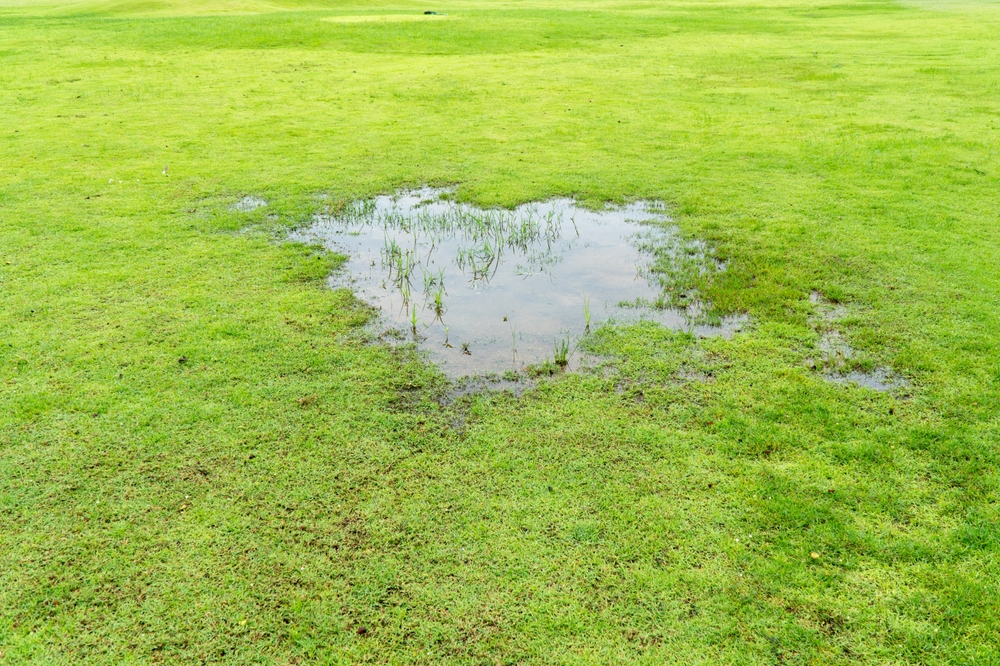
Pensacola’s 32503 area is no stranger to heavy rain, high humidity, and fast-moving summer storms. While these conditions help create lush landscapes, they can also expose drainage problems that lead to standing water, soil erosion, damaged plants, and foundation concerns. Understanding what causes these issues is the first step toward protecting your property.
Quick Answer
Common drainage issues in Pensacola’s 32503 area include standing water after storms, soil erosion, poor yard grading, clogged drainage systems, compacted soil, and runoff from neighboring properties. Local weather patterns, flat terrain in some neighborhoods, and frequent Gulf Coast rainfall all contribute to these challenges. Identifying the source of poor drainage early can help prevent more expensive landscape and property damage over time.
What Local Readers Should Know
-
Heavy summer thunderstorms can overwhelm yards that lack proper grading or drainage systems.
-
Clay pockets and compacted soils found in parts of Escambia County may slow water absorption.
-
Properties near Bayou Texar and lower elevation areas often experience increased drainage concerns during periods of heavy rainfall.
-
Standing water can damage turfgrass, ornamental plants, and landscape beds if it remains for more than a day or two.
-
Proper drainage planning is often more effective and less expensive than repeatedly repairing landscape damage.
Why This Matters Locally
Drainage problems affect more than appearance. In Pensacola, frequent rain combined with coastal humidity can quickly turn small drainage issues into ongoing property concerns. Water that does not move away from a home may contribute to foundation settling, mosquito breeding, root damage, and erosion around landscape features.
Older neighborhoods throughout the 32503 ZIP code often have mature landscaping that has changed how water naturally flows across the property over the years. New patios, driveways, fences, or garden beds may also redirect runoff in unexpected ways.
Reflections Landscaping understands that every property responds differently to rainfall. We evaluate how water moves through each landscape so recommendations fit the property’s unique conditions rather than applying a one-size-fits-all solution.
Local Field Observations
Professional landscape contractors working throughout Pensacola commonly observe drainage issues becoming most noticeable during the summer rainy season and after tropical weather systems move through the Gulf Coast. Properties with limited slope, aging drainage infrastructure, or significant landscape changes often require improvements to restore proper water movement.
The National Weather Service frequently issues heavy rainfall advisories for Northwest Florida during active storm periods, reminding homeowners how quickly localized flooding and saturated soils can develop.
Local Impact
Poor drainage affects both residential and commercial properties throughout the area.
Homeowners may experience:
-
Dead or thinning grass
-
Water pooling near foundations
-
Mulch washing into sidewalks
-
Plant decline from oversaturated roots
-
Increased mosquito activity
Commercial properties may deal with:
-
Muddy entrances
-
Landscape erosion
-
Water collecting in parking lot islands
-
Damaged irrigation zones
-
Reduced curb appeal for customers
Because many properties receive intense rainfall within short periods, even small drainage deficiencies can become noticeable after major storms.
Warning Signs
Common signs of drainage problems include:
-
Standing water that remains more than 24 to 48 hours after rainfall
-
Soil washing away from planting beds
-
Exposed tree or shrub roots
-
Water stains or moisture near the home’s foundation
-
Lawn areas that remain consistently soggy
-
Mulch repeatedly washing onto sidewalks or driveways
-
Bare patches where grass struggles to grow
-
Moss or algae developing in persistently wet areas
When to Call a Professional
Minor puddles after exceptionally heavy storms may not indicate a serious problem. However, recurring drainage issues deserve professional evaluation.
Consider scheduling an inspection if you notice:
-
Water entering crawl spaces or basements
-
Persistent standing water after average rainfall
-
Significant erosion after each storm
-
Foundation settlement concerns
-
Landscape features shifting because of soil movement
-
Drainage systems that no longer carry water effectively
A professional assessment can determine whether grading adjustments, drainage improvements, or landscape modifications offer the best long-term solution.
Common Local Causes
1. Heavy Gulf Coast Rainfall
Frequent downpours can exceed what some landscapes are designed to handle, especially during hurricane season.
2. Improper Yard Grading
If the yard slopes toward the home instead of away from it, runoff naturally collects near the structure.
3. Compacted Soil
Years of foot traffic, equipment use, or construction can reduce the soil’s ability to absorb water.
4. Clogged Drainage Systems
French drains, catch basins, and drainage pipes can become blocked with leaves, roots, or sediment.
5. Landscape Changes
New patios, retaining walls, garden beds, or fencing can unintentionally redirect water into problem areas.
6. Neighboring Runoff
Properties located downhill may receive additional runoff from surrounding lots, especially after significant rainfall.
Prevention and Maintenance
Preventing drainage problems often involves routine maintenance and seasonal inspections.
Helpful practices include:
-
Clean drainage inlets before the rainy season.
-
Remove leaves and debris from swales and drainage channels.
-
Avoid adding excessive mulch that blocks water flow.
-
Monitor low areas after storms.
-
Keep gutters and downspouts directing water away from the foundation.
-
Address small erosion problems before they expand.
While homeowners can perform basic inspections, grading changes and underground drainage installations should generally be handled by experienced professionals.
Expected Results
Proper drainage improvements can help:
-
Reduce standing water
-
Protect landscape investments
-
Improve lawn health
-
Minimize erosion
-
Improve usability of outdoor spaces
-
Better manage runoff during heavy storms
The exact results depend on property layout, rainfall intensity, soil conditions, and the selected drainage solution.
Common Mistakes
Mistake: Adding more soil to low spots without identifying the source of the water.
Consequence: Water often returns because the underlying drainage issue remains.
Better Approach: Determine why water collects before making grading or landscape changes.
Mistake: Installing landscaping that blocks natural drainage paths.
Consequence: Water becomes trapped around planting beds or patios.
Better Approach: Design landscapes that complement existing drainage patterns.
Mistake: Ignoring minor erosion.
Consequence: Small washouts can become larger repair projects after repeated storms.
Better Approach: Address erosion early before significant soil loss occurs.
Common Local Scenario
A homeowner in the 32503 area notices standing water in the backyard after nearly every summer storm. Over time, sections of the lawn begin thinning, mulch washes away, and flower beds develop exposed roots. A drainage evaluation reveals that compacted soil and subtle grading issues are preventing runoff from reaching the property’s drainage path. After appropriate drainage improvements, water moves away more efficiently and the landscape becomes easier to maintain.
Related Service Solutions
Depending on the property’s needs, drainage improvements may include:
-
Yard grading
-
French drain installation
-
Catch basin installation
-
Dry creek beds
-
Downspout drainage extensions
-
Swales
-
Landscape redesign for improved water movement
-
Erosion control measures
Selecting the right solution depends on how water enters, moves through, and exits the property.
Comparing Your Options
| Option | Best For | Considerations |
|---|---|---|
| DIY maintenance | Cleaning debris and monitoring drainage | Does not solve grading or underground drainage issues |
| Drainage repair | Existing systems with localized problems | May restore performance if the system remains structurally sound |
| New drainage installation | Persistent or widespread drainage problems | Often provides a more comprehensive long-term solution |
| Landscape redesign | Multiple drainage and erosion concerns | Can improve both function and appearance simultaneously |
Service Areas
We proudly serve property owners throughout Pensacola, including the 32503 area, while also working in nearby communities such as Brent, Ferry Pass, Bellview, and other parts of Escambia County. Every landscape receives recommendations based on its individual drainage conditions.
Cost of Ignoring the Issue
Waiting to address drainage problems can allow erosion, landscape damage, and water-related property issues to become more extensive over time. Early intervention is often less disruptive than repairing significant damage after multiple rainy seasons.
Frequently Asked Questions
What causes drainage problems in Pensacola’s 32503 area?
Heavy rainfall, improper grading, compacted soil, clogged drainage systems, and changing landscape features are among the most common causes. Coastal weather patterns often make these issues more noticeable.
Is standing water after rain normal in Pensacola?
Some temporary puddling after exceptionally heavy rain can be expected. Water that remains for more than 24 to 48 hours may indicate an underlying drainage problem.
Can poor drainage damage my landscape?
Yes. Excess water can weaken turf, damage ornamental plants, wash away mulch, erode soil, and stress tree roots if the problem continues.
Does Escambia County’s weather contribute to drainage issues?
Yes. Frequent thunderstorms, tropical systems, and extended rainy periods increase the amount of water landscapes must manage throughout the year.
Should I fix drainage before installing new landscaping in Pensacola?
Yes. Correcting drainage issues first helps protect new plants, hardscapes, and landscape investments from future water damage.
How do I know if my yard needs grading?
If water consistently flows toward your home, pools in the same locations, or causes erosion after rainfall, a grading evaluation may be beneficial.
Can drainage improvements help reduce erosion?
Yes. Proper drainage systems direct water more effectively, helping minimize soil loss and protect planting beds.
When is the best time to improve drainage in the Pensacola area?
Drainage projects can be completed throughout much of the year, although planning before the peak rainy season often helps prepare properties for heavier rainfall.
Protect Your Landscape from Drainage Problems
Drainage issues rarely improve on their own. Understanding how water moves across your property can help prevent costly repairs and preserve the health of your landscape for years to come.
Get Local Drainage Solutions That Work
Our team is ready to evaluate your property’s drainage challenges and recommend practical solutions tailored to your landscape.