Pensacola’s warm climate, sandy soils, and long growing season give homeowners plenty of opportunities to enjoy colorful landscapes throughout the year. At the same time, high humidity, heavy summer rains, occasional tropical storms, and salty coastal air mean that choosing the right plants and planting them at the right time makes a significant difference.
Quick Answer
The best seasonal landscaping plan for Pensacola is to match plants with Northwest Florida’s growing conditions and plant during the seasons that encourage strong root development. Trees and shrubs generally establish best during the cooler months, while warm season flowers and tropical plants thrive after the risk of cooler temperatures has passed. Native and Florida Friendly plants often perform well because they are adapted to local weather patterns and soil conditions.
What Local Readers Should Know
Fall is one of the best times for planting trees, shrubs, and many perennials because cooler temperatures reduce plant stress.
Pensacola’s sandy soils often drain quickly, making proper irrigation and mulch important for healthy landscapes.
Coastal neighborhoods may experience salt spray and stronger winds, so plant selection should account for those conditions.
Escambia County experiences hot, humid summers that can challenge newly installed plants without proper watering.
Seasonal maintenance helps reduce weed growth, supports healthier lawns, and keeps landscapes attractive throughout the year.
Why This Matters Locally
Seasonal landscaping is especially important across Pensacola because local weather changes dramatically throughout the year. Mild winters encourage continued plant growth, while long summers bring intense heat and afternoon thunderstorms. Neighborhoods near Pensacola Bay and Perdido Key may also experience salty air that affects certain ornamental plants.
At Reflections Landscaping, we help homeowners create landscapes that fit local conditions instead of relying on plants that perform better in other parts of the country. By choosing the right planting schedule and suitable plant varieties, we help create outdoor spaces that remain healthy and attractive throughout the seasons.
Local Data and Field Observations
According to the University of Florida IFAS Extension, Northwest Florida experiences a long growing season with warm temperatures that support a wide variety of ornamental plants, trees, and lawns. Local extension guidance also emphasizes selecting plants suited for Florida’s climate and planting during appropriate seasonal windows for stronger establishment.
From our field observations, homeowners who plant during cooler months often see stronger root development before summer heat arrives. Landscapes installed during periods of extreme heat generally require more frequent watering and closer monitoring during establishment.
Seasonal Planting Guide for Pensacola
Seasonal landscaping in Pensacola works best when each season is used for the plants that naturally establish during that time.
Spring
Spring is an excellent time to plant:
Warm season annual flowers
Palms
Tropical plants
New sod
Vegetable gardens
Butterfly attracting flowers
This is also a great season to refresh mulch, prune winter damage, and inspect irrigation systems before summer temperatures increase.
Summer
Summer planting requires additional attention because of heat and humidity.
Suitable options include:
Heat tolerant annuals
Certain tropical plants
Container gardens
Native flowering plants
New landscapes installed during summer typically need more frequent watering while roots become established.
Fall
Fall is often considered one of the best landscaping seasons in Pensacola.
Ideal choices include:
Shade trees
Ornamental trees
Shrubs
Perennials
Groundcovers
Cooler weather allows plants to establish roots before next year’s summer heat arrives.
Winter
Winter remains productive for many landscaping projects.
Homeowners often use this season for:
Tree planting
Shrub installation
Landscape renovations
Hardscape improvements
Soil preparation for spring
Because Northwest Florida winters are relatively mild, many landscape improvements can continue throughout much of the season.
How Pensacola’s Climate Affects Plant Selection
Pensacola’s climate favors plants that tolerate heat, humidity, and occasional heavy rainfall. Landscapes in Gulf Breeze, Pace, Milton, and nearby communities often benefit from similar plant selections because they share comparable weather patterns.
Popular choices may include:
Live oaks
Southern magnolias
Crape myrtles
Muhly grass
Native yaupon holly
Coontie
Firebush
Simpson’s stopper
Florida native wildflowers
Choosing plants adapted to local conditions generally reduces maintenance and improves long term performance.
Warning Signs Your Landscape Needs Seasonal Updates
Your landscape may benefit from seasonal improvements if you notice:
Plants struggling after each summer
Bare areas developing in lawn sections
Mulch breaking down quickly
Shrubs becoming overgrown
Poor drainage after heavy rain
Increased weed growth
Dead branches following storms
Addressing these issues during the appropriate season often produces better results than waiting until plants are already stressed.
When to Call a Professional
Routine watering, seasonal cleanup, and basic pruning can often be handled by homeowners. However, larger projects typically benefit from professional planning.
Professional landscaping may be appropriate when:
Installing new landscape beds
Replacing multiple trees or shrubs
Correcting drainage problems
Renovating older landscapes
Designing drought conscious landscapes
Selecting plants for coastal properties
A well planned installation helps ensure each plant is placed where it has the greatest chance for long term success.
Common Local Challenges
Several local conditions influence landscaping success throughout Escambia County.
Sandy Soil
Fast draining soils may require additional organic matter and mulch to help retain moisture.
High Humidity
Warm, humid conditions can encourage certain plant diseases if landscapes become overcrowded.
Heavy Rainfall
Summer storms may create drainage concerns or wash away mulch in lower areas.
Salt Exposure
Homes closer to the Gulf Coast often need plants that tolerate salty air and coastal winds.
Hurricanes and Tropical Storms
Strong storms make proper tree selection, spacing, and maintenance especially important.
Prevention and Seasonal Maintenance
A consistent maintenance schedule helps landscapes remain healthier throughout the year.
Helpful practices include:
Refresh mulch annually.
Adjust irrigation as seasons change.
Remove weeds before they spread.
Prune at appropriate times for each plant species.
Fertilize according to local recommendations.
Inspect trees before hurricane season.
Replace declining plants before they affect surrounding landscape beds.
Small seasonal adjustments often prevent larger landscaping problems later.
Expected Results
A thoughtfully planned seasonal landscape can provide healthier plants, improved curb appeal, reduced maintenance, and stronger long term growth. While every property is different, selecting plants suited to Pensacola’s environment often improves landscape performance and resilience over time.
Common Mistakes
Planting tropical plants too early. Cooler weather can damage sensitive species. Waiting for consistently warm temperatures reduces stress.
Ignoring mature plant size. Overcrowded landscapes require more pruning and may experience poor airflow.
Using plants not suited for coastal conditions. Salt sensitive plants often struggle near the shoreline.
Overwatering established plants. Mature landscapes usually benefit from deep, less frequent watering rather than daily irrigation.
Skipping mulch. Bare soil dries quickly in sandy conditions and encourages weed growth.
Common Local Scenario
A homeowner purchases flowering plants during a spring garden sale and installs them immediately without considering sun exposure or irrigation. By midsummer, several plants struggle with heat stress while weeds spread through unmulched beds.
With better seasonal planning, proper plant selection, mulch installation, and irrigation adjustments, the landscape develops stronger root systems and performs better through the hottest months.
Related Service Solutions
Seasonal landscaping often includes a combination of services, including:
More efficient installation and long term planning
Service Areas
We proudly serve homeowners throughout Pensacola and surrounding communities, including Gulf Breeze, Pace, Milton, Perdido Key, Bellview, and other nearby areas across Escambia County and Santa Rosa County.
Cost of Ignoring Seasonal Timing
Waiting too long to plant or choosing the wrong season can lead to weaker root systems, increased watering needs, plant replacement costs, and disappointing landscape performance. Proper seasonal planning helps protect your landscaping investment while encouraging healthier growth.
What is the best season to plant trees in Pensacola?
The best time to plant many trees in Pensacola is typically during fall and winter because cooler temperatures encourage root development before summer heat arrives.
Which flowers perform well in Pensacola summers?
Heat tolerant annuals, many tropical flowers, and native flowering plants generally perform well during Pensacola’s warm and humid summer season when given appropriate water and sunlight.
Are native plants a good choice for Escambia County landscapes?
Yes. Native plants are often well adapted to local rainfall, temperatures, and soils, making them an excellent option for many residential landscapes throughout Escambia County.
How often should mulch be replaced in Pensacola?
Most landscape beds benefit from fresh mulch each year or whenever existing mulch has significantly decomposed or washed away after heavy rainfall.
Can landscaping be done during winter in Pensacola?
Yes. Northwest Florida’s relatively mild winters allow many trees, shrubs, and landscape improvements to be installed during the cooler months.
Why do some plants struggle near the coast?
Salt spray, coastal winds, sandy soils, and intense sunlight can affect certain plant varieties. Selecting salt tolerant species improves long term success.
Should irrigation schedules change throughout the year?
Yes. Water needs typically vary by season, rainfall, and plant maturity. Adjusting irrigation helps avoid both underwatering and overwatering.
How can professional landscaping improve long term results?
Professional planning helps match plant selection, installation timing, soil conditions, drainage, and maintenance practices to local growing conditions, creating landscapes that are better suited for Northwest Florida.
Seasonal Landscaping Starts with the Right Plan
Every landscape responds differently to Pensacola’s climate, soil, and seasonal weather. Choosing the right plants at the right time creates healthier landscapes that continue to grow beautifully throughout the year.
Create a Landscape That Thrives in Every Season
Whether you’re refreshing existing landscape beds or planning a complete outdoor transformation, we’re here to help you make informed decisions for your property.
If you have ever tried to grow a lush garden or maintain a healthy lawn in the Florida Panhandle, you already know that the ground beneath your feet plays a massive role in your success. Pensacola, FL is a beautiful coastal city with a warm, humid climate that supports an incredible variety of plants, but none of that potential can be realized without a solid understanding of your soil.
Whether you are working with landscaping services for the first time or have been tending your yard for years, learning how different soil types behave in this region is the foundation of every great outdoor space.
The Dominant Soil Profile of Pensacola, FL
Pensacola’s warm, humid climate and sandy soil create the perfect environment for a lush, vibrant yard, but that same sandy composition also comes with some real challenges. Sandy soils are highly porous, which means water and nutrients move through them quickly. This is great for drainage, but it also means that plants can dry out faster and may lack the mineral richness they need to thrive. For homeowners and landscaping professionals in Pensacola, FL, understanding this sandy baseline is the starting point for any planting or design decision.
Sandy soil is found throughout much of the coastal Southeast, and the Pensacola area is no exception. The soil here tends to be low in organic matter and can have an acidic pH, which affects how plants absorb the nutrients available to them. While some native plants are perfectly adapted to these conditions, ornamental plants, turf grasses, and vegetable gardens often require soil amendments to perform their best. Adding compost, organic matter, or carefully chosen fertilizers can help bridge the gap between what your soil naturally offers and what your landscape actually needs.
How Sandy and Loamy Soils Affect Plant Selection in Pensacola
One of the most important lessons in landscaping in Pensacola, FL is that plant selection must align with soil reality. Some plants can adapt to the lean, well-draining sandy soils common to this area, while others struggle without richer, more moisture-retentive ground.
Certain native plants, such as the American beautyberry, can grow in nutrient-poor sandy soils but perform best in loam soil that is high in organic matter. This is a common theme across many species popular in Pensacola landscaping: they survive in sandy soil but genuinely thrive when given a little more organic richness. Loamy soil, which is a balanced mix of sand, silt, and clay, holds moisture and nutrients far more effectively than pure sand. Introducing loamy topsoil into garden beds is one of the most effective improvements that landscaping services can make on a Pensacola property.
Native plant recommendations for the Pensacola area are often organized by soil type, including dry (xeric), moist (mesic), and wet (hydric) categories, which reflects just how much soil moisture influences what will grow well in any given spot. Working with these categories rather than against them is a smart strategy for any landscape project.
Drainage, Clay Patches, and Wet Soil Zones
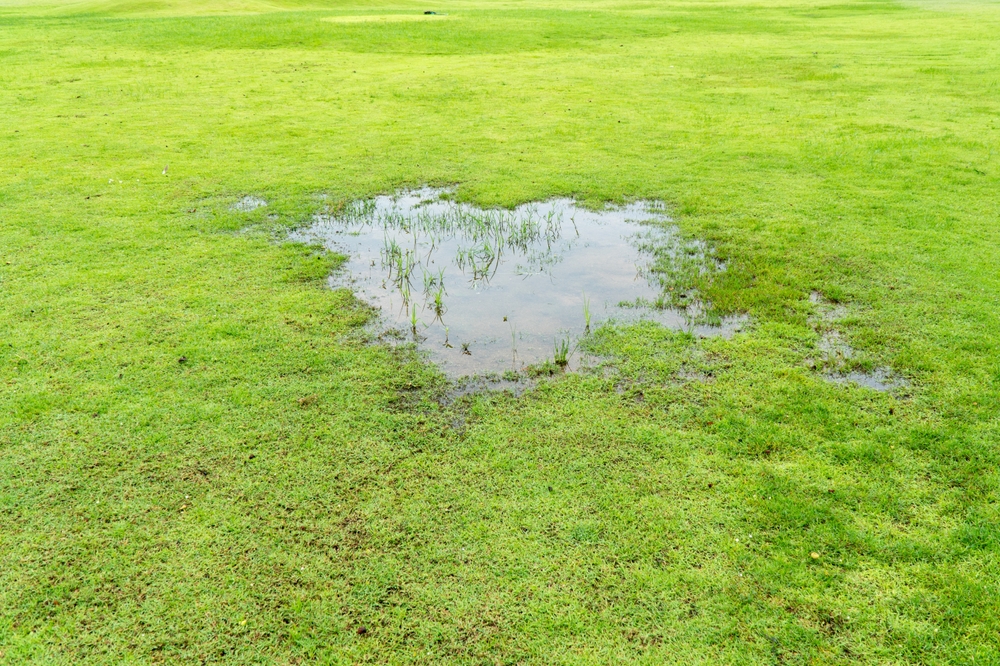
While sandy soil dominates much of Pensacola, FL, many properties also contain patches of clay or areas with poor drainage. Clay soils hold moisture tightly and can become compacted over time, leading to pooling water, root rot, and stressed plants. Turf grasses are particularly sensitive to these conditions.
Dense clay soils produce poor results for certain grass types like centipedegrass, which requires at least moderately good drainage to thrive. If your yard has low-lying areas where water collects after rain, that is a clear sign that the soil in those zones needs attention. Landscaping services in Pensacola, FL often address these problem spots through grading, the installation of French drains, or the strategic use of plants that tolerate wet feet.
On the other hand, wet or hydric soil zones do not have to be a liability. With the right plant palette, these areas can become attractive rain gardens or naturalized landscape features that actually reduce erosion and support local wildlife. The key is identifying the soil type correctly before deciding on a solution.
In northwest Florida, lawns generally need about three-quarters to one inch of water per week, and overwatering is actually difficult to do with the region’s sandy soils, though it is still something to monitor. Proper irrigation planning, matched to the actual drainage characteristics of your specific soil, is an essential part of any professional landscaping project in the area.
Amending Soil for a Healthier Pensacola Landscape
Soil amendment is one of the most powerful tools available to homeowners and landscaping professionals working in Pensacola, FL. Because native soils here tend toward the sandy and acidic, most landscapes benefit from a strategic program of improvement before and during planting.
Sod installation projects in Pensacola typically involve applying one and a half to two inches of fresh topsoil to replace what was removed during site preparation, and most residential properties require between 18 and 60 tons of soil for proper grading. This gives you a sense of just how significant soil management is even in relatively straightforward landscaping work.
Organic compost is one of the best amendments for sandy soil. It improves water retention, boosts microbial activity, and slowly releases nutrients over time. Mulch applied over planting beds serves a similar function: it insulates soil, reduces evaporation, and gradually breaks down to enrich the earth below. Quality landscaping supply companies in Pensacola offer a wide range of products including topsoil, mulch, sand, gravel, and fill dirt to support projects of every size. Choosing the right amendment for your specific soil challenge makes a significant difference in long-term landscape health.
For acidic soils that test too low on the pH scale, lime applications can help bring the balance closer to neutral, improving nutrient availability for most common landscape plants and turf grasses. A simple soil test, available through local extension offices or garden centers, can tell you exactly what your yard needs before you invest in plants or materials.
Choosing the Right Grass for Pensacola Soil Conditions
Turf selection is one of the most visible decisions in any residential or commercial landscaping project, and in Pensacola, FL, soil type should drive that choice as much as aesthetics or maintenance preferences.
Centipedegrass is one of the most common grass types in the Florida Panhandle, thriving in the soils and climate of central and northern Florida, though it is prone to iron deficiency and more sensitive to cold temperatures than some other warm-season varieties. It performs best in well-drained, moderately acidic soils, making it a natural fit for much of the sandy terrain in Pensacola.
Zoysiagrass, another option recommended by the University of Florida, has a high salt tolerance and can be used in a variety of soil types, which makes it a flexible choice for Pensacola properties that may have variable soil conditions across the yard. Its adaptability is a real advantage when working with a landscape that transitions between sandy upland areas and slightly heavier, moisture-retaining zones.
Working with experienced landscaping services in Pensacola, FL means getting guidance on which grass species will perform best for your specific soil profile. A grass that thrives on one side of town may struggle on another if the underlying soil conditions differ significantly.
Conclusion
Understanding your soil is the first and most important step toward a thriving landscape in Pensacola, FL. From the sandy, well-draining soils that cover much of the region to the clay patches and wet zones that require special attention, every property presents its own set of challenges and opportunities. By choosing plants suited to local conditions, amending soil where needed, and partnering with knowledgeable landscaping services, homeowners in Pensacola can build outdoor spaces that are both beautiful and resilient for years to come.
Need Landscaping and Drainage Solutions Near You?
Transform your outdoor space with Reflections Landscaping! With over 32 years of experience serving the greater Pensacola area, we take pride in delivering exceptional landscaping and drainage solutions tailored to your needs. Whether you’re dreaming of a vibrant landscape, need expert drainage solutions, or want flawless lawn care, our skilled team is here to bring your vision to life with unmatched craftsmanship and personalized attention. Contact us today to discuss your project—let’s work together to create a stunning oasis you’ll love!
Pensacola, FL is a beautiful coastal city with warm weather, lush landscapes, and plenty of rainfall throughout the year. While that rainfall keeps the region green and vibrant, it also creates serious challenges for homeowners and property managers when it comes to managing water runoff. Drainage issues are among the most common and costly problems residents face in this area, and understanding what causes them is the first step toward finding effective solutions.
Whether you have noticed standing water in your yard after a storm or water pooling near your foundation, knowing the root causes can help you make smarter decisions about drainage services and drainage repair before minor issues turn into major damage.
1. Heavy Rainfall and Pensacola’s Unique Climate
One of the most obvious contributors to drainage problems in Pensacola is the climate itself. Pensacola receives an average of more than 65 inches of rain per year, making it one of the wetter cities in the entire state of Florida. During the summer months, intense afternoon thunderstorms can dump several inches of rain in a matter of hours, overwhelming even well-designed drainage systems. When the ground becomes fully saturated, it simply cannot absorb any more water, and the excess has nowhere to go except across your lawn, driveway, and potentially into your home.
The Gulf Coast location also means Pensacola is susceptible to tropical storms and hurricanes, which can bring catastrophic rainfall totals in a short window of time. Even a tropical system that does not make direct landfall can dump enough rain to cause significant flooding and drainage failures across the area. For homeowners, this means drainage systems need to be built and maintained with these extreme weather events in mind, not just average rainfall. Investing in professional drainage services before storm season arrives can save thousands of dollars in water damage repairs down the road.
2. Poor Soil Composition and Grading Problems
Beneath the surface of your yard lies one of the most important factors in how well water drains: the soil. Pensacola’s soil composition varies across the region, but many properties in the area sit on clay-heavy or compacted soil that does not absorb water efficiently. Clay soil, in particular, is notorious for holding water close to the surface rather than allowing it to percolate down through the ground. When your yard is covered in this type of soil, even a moderate rainstorm can leave you with standing water that lingers for days.
Equally important is the grading of your property. Grading refers to the slope of the land around your home, and it plays a direct role in directing water either away from or toward your foundation. Many older homes in Pensacola were built without adequate attention to proper grading, meaning water naturally flows toward the house rather than away from it. Over time, the soil around your foundation can also settle and shift, changing the grade even if it was correct when the home was first built. Addressing soil composition and grading problems typically requires professional drainage repair to reshape the landscape and ensure water moves in the right direction.
3. Clogged or Outdated Drainage Systems
Even a properly designed drainage system will fail if it is not maintained or if it has simply aged beyond its useful life. In Pensacola, many residential neighborhoods contain drainage infrastructure that is decades old, including French drains, catch basins, and underground pipes that were installed under very different standards than what is used today. Over time, these systems can become clogged with sediment, debris, tree roots, and organic material that restricts or completely blocks water flow.
Gutters and downspouts are another common culprit. When gutters are filled with leaves, pine needles, or dirt, they cannot channel rainwater properly, causing overflow that pours directly down the side of your home and collects near the foundation. Downspouts that empty too close to the house only make this problem worse by dumping concentrated amounts of water right where you least want it. Scheduling routine drainage services to clean, inspect, and repair these components can prevent a gradual buildup of problems that eventually leads to expensive water damage.
French drains, in particular, are popular in the Pensacola area because of the high water table and frequent rain. However, these systems can become clogged with silt and roots over time, reducing their effectiveness significantly. A drainage repair professional can evaluate whether your French drain needs to be flushed, re-lined, or fully replaced to restore proper function.
4. Landscaping and Hardscaping Choices
The plants, trees, and hardscaping features on your property can have a surprisingly large impact on how water moves across your yard. In Pensacola, large oak trees and other deep-rooted species are extremely common, and their roots can infiltrate and damage underground drainage pipes over time. Tree roots naturally seek out moisture, and a small crack or joint in a drainage pipe is more than enough of an invitation for roots to work their way inside and cause a serious blockage.
On the hardscaping side, impervious surfaces like concrete driveways, patios, and walkways prevent water from soaking into the ground at all. The more impervious surface area a property has, the more stormwater runoff is generated during a rain event. In older Pensacola neighborhoods where homes were built close together on relatively small lots, the cumulative effect of multiple properties with large impervious surfaces can overwhelm neighborhood drainage systems that were never designed to handle that volume of water.
Even well-intentioned landscaping choices can create problems. Raised garden beds, decorative berms, or retaining walls that are not properly integrated into the overall drainage plan can redirect water in unexpected ways, sometimes causing it to pool in areas where it previously drained fine. Before making significant changes to your landscaping, it is worth consulting with a drainage services professional to evaluate how those changes might affect water flow across your entire property.
5. High Water Table and Proximity to Water
Pensacola’s proximity to Pensacola Bay, the Gulf of Mexico, and numerous bayous and waterways means that the water table in many parts of the city is naturally quite high. A high water table means that the ground is already saturated with moisture at a relatively shallow depth, which severely limits how much additional water the soil can absorb during a rain event. For homeowners in low-lying areas or those situated near tidal waterways, this is a persistent challenge that goes beyond what basic yard drainage can solve on its own.
During periods of heavy rain combined with high tides, a phenomenon sometimes called tidal flooding or nuisance flooding can push water up through storm drains and into streets and yards, even without any direct rainfall on your property. This is an increasingly common issue in coastal communities throughout Northwest Florida. Professional drainage repair in these situations often involves more advanced solutions such as sump pump systems, check valves, or raised drainage infrastructure designed to prevent backflow from affecting your property.
Understanding the role of the water table is especially important for homeowners considering basement or below-grade construction, as these areas are particularly vulnerable to hydrostatic pressure from groundwater pushing against foundation walls and floors.
Conclusion
Drainage issues in Pensacola, FL stem from a combination of factors including heavy rainfall, poor soil conditions, aging infrastructure, landscaping choices, and a naturally high water table. Each property is unique, and the right solution depends on a thorough evaluation of the specific conditions at play. Whether you need routine drainage services to maintain an existing system or comprehensive drainage repair to address a more serious problem, acting early is always the smartest and most cost-effective approach. Protecting your property from water damage starts with understanding what you are up against, and Pensacola’s environment makes that understanding more important than ever.
Need Landscaping and Drainage Solutions Near You?
Transform your outdoor space with Reflections Landscaping! With over 32 years of experience serving the greater Pensacola area, we take pride in delivering exceptional landscaping and drainage solutions tailored to your needs. Whether you’re dreaming of a vibrant landscape, need expert drainage solutions, or want flawless lawn care, our skilled team is here to bring your vision to life with unmatched craftsmanship and personalized attention. Contact us today to discuss your project—let’s work together to create a stunning oasis you’ll love!
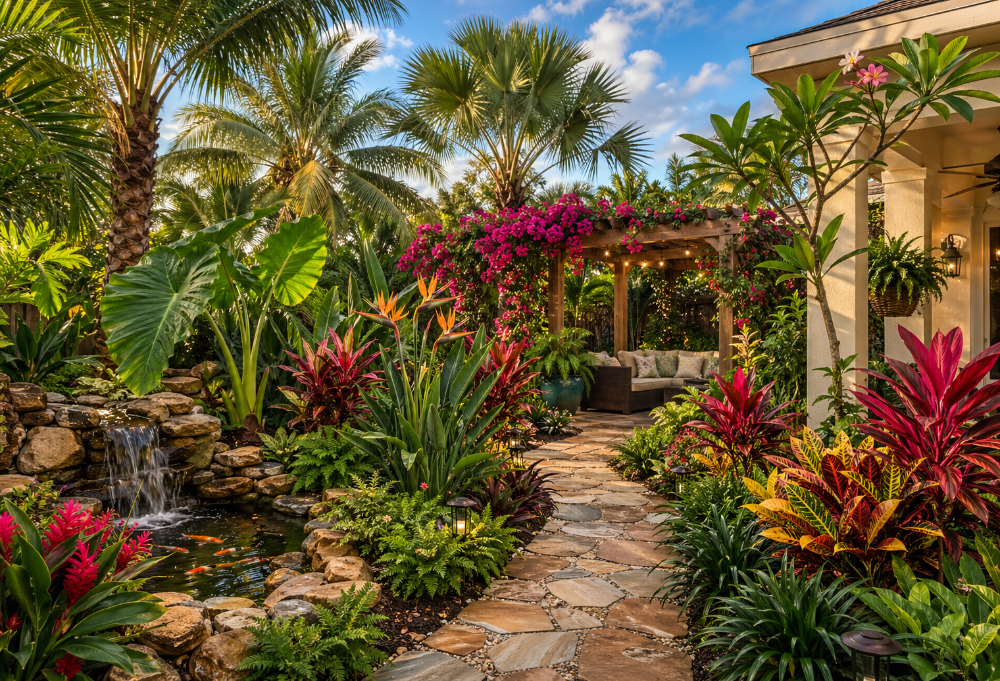
Homeowners across the Gulf Coast are increasingly turning to tropical landscape design to transform their outdoor spaces into vibrant, living works of art. For residents seeking landscaping services in Pensacola, FL, the good news is that the local climate is surprisingly well-suited for growing many tropical and subtropical plants. With the right design vision and plant selection, your yard can become a year-round paradise that impresses neighbors and soothes the soul.
Why Pensacola, FL Is Perfect for Tropical Landscaping
Pensacola, FL sits in the heart of the Florida Panhandle, enjoying a humid subtropical climate that provides warm summers, mild winters, and generous rainfall throughout the year. These conditions create a natural foundation for tropical landscaping that many other parts of the country simply cannot replicate. Average summer temperatures regularly climb into the upper 80s and 90s, and even winter months rarely dip low enough to threaten the survival of most subtropical plant species.
The region also benefits from long growing seasons and abundant sunshine, both of which are essential for the bold foliage and flowering plants that define tropical design. Homeowners who invest in landscaping in Pensacola, FL have access to a wide palette of plants including palms, ornamental grasses, bird of paradise, ginger, and elephant ear that thrive in this environment. The proximity to the Gulf of Mexico also means that sea breezes help moderate temperature extremes, creating microclimates along the coast where even more tender tropical varieties can survive and flourish.
Of course, Pensacola is not immune to occasional cold snaps or tropical storms, so thoughtful plant selection and placement remain important. Working with experienced landscaping services in Pensacola, FL ensures that your tropical design is not only beautiful but also resilient and suited to the specific conditions of your property.
Key Elements of Tropical Landscape Design
Tropical landscape design is about more than simply planting a few palm trees and calling it a day. It is a holistic approach to outdoor space that combines bold plant textures, layered canopies, rich colors, and natural materials to create an immersive experience. Understanding the core elements of this style will help you make informed decisions as you plan your project.
Layering is one of the most important principles in tropical design. Authentic tropical environments feature a canopy layer of tall trees and palms, a mid-story layer of medium shrubs and flowering plants, and a ground layer of low-growing foliage and groundcovers. Recreating this structure in your yard gives the space a sense of depth and lushness that flat, single-layer plantings simply cannot achieve.
Color also plays a central role. Tropical landscapes are known for their vivid, saturated hues, from the electric pinks of bougainvillea to the fiery reds and oranges of heliconia. Incorporating flowering plants that bloom at different times of year ensures that your yard maintains visual interest across all seasons. Foliage color matters just as much as flowers; plants like crotons, caladiums, and ti plants offer striking combinations of red, yellow, green, and purple that keep the landscape looking alive and dynamic even when nothing is in bloom.
Water features are another hallmark of tropical design. A small fountain, koi pond, or naturalistic stream can elevate the ambiance of your yard enormously, adding the soothing sound of moving water and attracting birds and other wildlife. Natural stone, bamboo, and weathered wood used in hardscaping elements help reinforce the organic, lush aesthetic that tropical design is known for.
Top Plants for a Tropical Pensacola Landscape
Choosing the right plants is the foundation of any successful tropical landscape. For homeowners pursuing landscaping in Pensacola, FL, several species stand out as particularly reliable performers that deliver authentic tropical character while tolerating the occasional weather challenges the region can bring.
Palms are the undisputed icons of tropical design, and Pensacola’s climate supports several spectacular varieties. Sabal palms, also known as cabbage palms, are native to the region and extremely hardy. Windmill palms tolerate cold better than most and add an elegant, feathery texture to the canopy layer. Pygmy date palms are excellent for smaller yards or container planting near patios and pool areas.
Elephant ears bring dramatic, oversized foliage that instantly communicates tropical abundance. Their massive leaves create bold visual statements and pair beautifully with finer-textured plants like ornamental grasses or ferns. Similarly, bird of paradise plants produce striking orange and blue flowers that look almost architectural in their precision, adding a sculptural quality to garden beds.
Bougainvillea is a must-have for vertical interest and vibrant color. Trained along fences, trellises, or pergolas, this plant produces cascading masses of papery bracts in shades of magenta, coral, and white. Plumeria, with its intoxicatingly fragrant blooms, is another tropical classic that performs well in Pensacola’s warm summers. Gingers, both ornamental and edible varieties, add lush greenery and unusual flower spikes that attract hummingbirds and butterflies.
For groundcovers and borders, society garlic, liriope, and mondo grass are reliable choices that provide a finished, polished look at the base of larger plants. Bromeliads and anthuriums can be used as accent plants in shaded areas, offering unique textures and pops of color in spots where other plants might struggle.
Designing Your Tropical Oasis: Tips and Considerations
Creating a cohesive tropical landscape requires thoughtful planning beyond just selecting attractive plants. Before you begin purchasing or planting, take time to evaluate your yard’s specific conditions including sunlight exposure, soil drainage, existing structures, and irrigation access. These factors will significantly influence which plants thrive and where they should be placed.
Soil preparation is often overlooked but critically important in Pensacola, where sandy soils can drain too quickly for moisture-loving tropical plants. Amending beds with organic matter such as compost or aged mulch helps retain moisture and provides the nutrients that vigorous tropical growth demands. A layer of decorative mulch around plant bases serves the dual purpose of retaining moisture and suppressing weeds while reinforcing the naturalistic look of the design.
Irrigation should be planned carefully. Tropical plants generally prefer consistent moisture, especially during the establishment phase. A drip irrigation system or soaker hose setup delivers water efficiently directly to root zones, reducing waste and minimizing the risk of fungal issues associated with overhead watering in humid climates.
Lighting deserves attention too. Well-placed landscape lighting extends the enjoyment of your tropical garden into the evening hours and highlights the dramatic textures and forms of palms and large-leafed plants. Solar-powered path lights, uplighting on specimen palms, and string lights woven through pergola structures all contribute to a magical nighttime atmosphere.
Partnering with professional landscaping services in Pensacola, FL is one of the smartest investments you can make at this stage. Experienced local designers understand which plants perform best in specific microclimates, how to source healthy specimens, and how to execute a design that looks intentional and polished rather than accidental and overgrown.
Conclusion
Bringing the tropics to your Pensacola yard is an achievable and rewarding goal. With the right combination of bold plants, thoughtful design principles, and proper ongoing care, your outdoor space can become a personal paradise that enhances your quality of life and adds real value to your property. Whether you are starting from scratch or refreshing an existing landscape, the warm climate and natural beauty of Pensacola, FL provide an ideal canvas for tropical design. Reaching out to knowledgeable landscaping services in Pensacola, FL is the first step toward turning that vision into a vibrant, living reality.
Need Landscaping and Drainage Solutions Near You?
Transform your outdoor space with Reflections Landscaping! With over 32 years of experience serving the greater Pensacola area, we take pride in delivering exceptional landscaping and drainage solutions tailored to your needs. Whether you’re dreaming of a vibrant landscape, need expert drainage solutions, or want flawless lawn care, our skilled team is here to bring your vision to life with unmatched craftsmanship and personalized attention. Contact us today to discuss your project—let’s work together to create a stunning oasis you’ll love!
Pensacola, Florida, sits in a region that receives significant rainfall throughout the year, and improper drainage can lead to costly property damage, foundation issues, and even health concerns related to standing water. Whether you are a homeowner dealing with a soggy yard or a property manager noticing water pooling near a structure, understanding drainage services and drainage repair is essential.
Below are answers to some of the most frequently asked questions about drainage repair services in the 32503 area.
What Are Drainage Services and Why Do They Matter in the 32503 Area?
Drainage services refer to the full range of professional solutions designed to manage, redirect, and remove water from residential and commercial properties. These services can include everything from inspecting existing drainage systems to installing new French drains, catch basins, channel drains, and downspout extensions.
In the 32503 area, drainage matters more than it might in drier parts of the country. Pensacola receives an average of over 65 inches of rain per year, making it one of the wetter cities in the continental United States. When a property lacks a properly functioning drainage system, rainwater has nowhere to go. It pools in yards, seeps into crawl spaces, and can eventually compromise the structural integrity of a home or business. Drainage services help property owners stay ahead of these problems by creating clear paths for water to flow away from vulnerable areas.
Beyond structural concerns, standing water creates ideal breeding conditions for mosquitoes and other pests. In a warm, humid climate like Pensacola’s, this becomes a public health consideration as well. Investing in quality drainage services is not just about protecting property; it is about maintaining a safe and comfortable living environment.
What Are the Most Common Signs That You Need Drainage Repair?
Many property owners in the 32503 area do not realize they have a drainage problem until it has already caused noticeable damage. Knowing what to look for can help you catch issues early and reduce the cost of drainage repair down the line.
One of the most obvious signs is standing water or soggy patches in your yard that persist long after a rainstorm. If your lawn takes more than 24 to 48 hours to dry out after heavy rain, your drainage system may be underperforming or completely failing. Another common warning sign is water stains or moisture appearing in your basement, crawl space, or along the interior base of your walls. This typically indicates that water is being directed toward your home rather than away from it.
Erosion is another red flag. If you notice soil washing away from flower beds, along the side of your home, or near your driveway, that is a sign that water is moving too quickly and without proper control. Cracks in your foundation or driveway can also be traced back to drainage problems, as water that saturates the soil beneath concrete exerts pressure that leads to shifting and cracking over time.
Gutter overflow is worth watching as well. If your gutters are clean but still overflowing, your downspouts may not be directing water far enough from your foundation, which is a fixable issue that drainage repair professionals handle regularly.
What Types of Drainage Repair Solutions Are Available for 32503 Properties?
The good news for property owners in the 32503 area is that drainage repair professionals have a wide variety of tools and techniques at their disposal. The right solution depends on the specific nature of the drainage problem, the layout of the property, and the soil conditions.
French drains are one of the most widely used solutions. A French drain is a gravel-filled trench containing a perforated pipe that redirects surface water and groundwater away from a specific area. They are particularly effective for yards that sit in low-lying areas or that have heavy clay soil, which is common throughout much of the Pensacola region.
Surface drains and channel drains are installed at ground level to collect water runoff quickly. These are often used in driveways, patios, and along the edges of walkways where water tends to collect. They connect to an underground pipe system that carries water to a safe discharge point.
Regrading is another drainage repair technique that involves reshaping the slope of your yard so that water flows away from your home naturally. This is sometimes the most cost-effective long-term solution when the root cause of a drainage problem is improper grading done during the original construction of a home.
Sump pump installation is common for homes with basements or crawl spaces that collect water. A sump pump actively removes water that enters a designated pit and pumps it out of the home. In areas like 32503 where rainfall can be heavy and frequent, a sump pump adds an important layer of protection.
Downspout extensions and splash blocks redirect water from your roof’s gutter system further away from your foundation. These are simple but effective drainage repair options that are often overlooked by homeowners until a more serious problem develops.
How Do You Choose the Right Drainage Repair Company in the 32503 Area?
Choosing the right contractor for drainage services is just as important as choosing the right solution for your specific problem. Here are a few factors to keep in mind when evaluating your options in the 32503 area.
Experience with local soil and climate conditions matters a great deal. A contractor familiar with the sandy and clay-heavy soils common to the Pensacola area will be better equipped to recommend solutions that actually hold up over time. Ask potential contractors how long they have been working in the 32503 area and what types of properties they typically service.
Licensing and insurance are non-negotiable. Any legitimate drainage repair company operating in Florida should carry the appropriate state licenses and general liability insurance. This protects you as a homeowner if something goes wrong during the project.
Ask for a detailed written estimate before any work begins. A reputable drainage services company will inspect your property, explain the problem clearly, and provide a line-by-line breakdown of the costs involved. Be cautious of contractors who offer a one-size-fits-all solution without thoroughly assessing your property first.
References and online reviews are also valuable resources. Take time to read what other customers in the Pensacola area have said about their experiences. Look for patterns in the reviews that speak to the contractor’s reliability, quality of work, and responsiveness to problems after the job is done.
How Much Does Drainage Repair Typically Cost in the 32503 Area?
The cost of drainage repair in the 32503 area varies widely based on the complexity of the problem and the type of solution required. Minor fixes such as downspout extensions or the installation of a small surface drain may cost a few hundred dollars. More involved projects like French drain installation, regrading, or sump pump installation can range from a few thousand dollars to well over ten thousand dollars for larger or more complex properties.
It is worth noting that the cost of doing nothing often exceeds the cost of timely drainage repair. Water damage to foundations, flooring, and structural elements can run into the tens of thousands of dollars, not to mention the potential loss of property value and the expense of mold remediation.
Many drainage services companies in the Pensacola area offer free or low-cost initial assessments. Taking advantage of these evaluations gives you a clearer picture of what you are dealing with and what it will realistically cost to fix.
Conclusion
For property owners in the 32503 area, staying informed about drainage services and drainage repair options is one of the best investments you can make in your property’s long-term health. From identifying early warning signs to selecting the right contractor and solution, taking a proactive approach to drainage will save you significant time, money, and stress in the years ahead.
Need Landscaping and Drainage Solutions Near You?
Transform your outdoor space with Reflections Landscaping! With over 32 years of experience serving the greater Pensacola area, we take pride in delivering exceptional landscaping and drainage solutions tailored to your needs. Whether you’re dreaming of a vibrant landscape, need expert drainage solutions, or want flawless lawn care, our skilled team is here to bring your vision to life with unmatched craftsmanship and personalized attention. Contact us today to discuss your project—let’s work together to create a stunning oasis you’ll love!